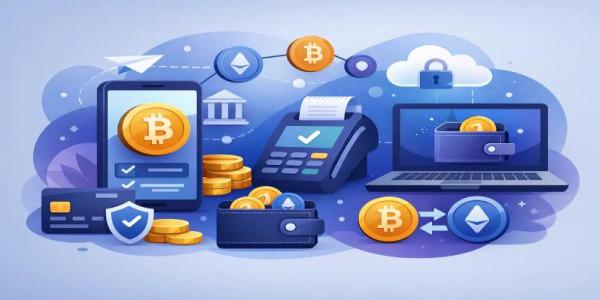
7 Best Payment Methods for Crypto
Compare the best payment methods for crypto by speed, privacy, fees, and control so you can fund trades faster and choose what fits your strategy.
Speed changes everything in crypto. The best payment methods for crypto are the ones that let you move when the market moves, without turning a simple deposit into a paperwork marathon. If you care about privacy, flexibility, and getting from funding to trading fast, your payment method matters almost as much as the asset you buy.
Some traders want the lowest fees. Others want instant access. Others care most about privacy or avoiding unnecessary restrictions. There is no single winner for everyone, but there are clear trade-offs, and knowing them can save you time, money, and missed entries.
What makes a payment method good for crypto?
A good crypto payment method does four things well. It gets your funds onto a platform quickly, keeps fees under control, gives you enough privacy for your comfort level, and works consistently when you need it. If one of those breaks, the whole experience slows down.
The mistake many beginners make is choosing based on convenience alone. A debit card feels fast until the fees stack up. A bank transfer feels cheap until it takes too long and the price runs away from you. A peer-to-peer option can be flexible, but only if you understand how settlement and counterparty trust work.
The right choice depends on how you trade. If you are buying occasionally, convenience may matter most. If you are active, every minute and every percentage point starts to count.
7 best payment methods for crypto
1. Debit cards
For many users, debit cards are the fastest path from decision to execution. You enter your card details, confirm the payment, and buy crypto in minutes. That speed is the biggest advantage.
Debit cards are especially useful for new traders who want a familiar payment flow. They also work well when the market is moving fast and you do not want to wait on a transfer window. If your goal is immediate access, this method is hard to beat.
The trade-off is cost. Card purchases often carry higher processing fees than bank-based methods, and some banks still flag crypto-related transactions. Limits can also be lower than what active traders want. Debit cards are great for convenience, but not always for scale.
2. Credit cards
Credit cards offer similar speed, but they come with more friction than many people expect. Some issuers treat crypto purchases as cash advances, which can trigger extra fees and immediate interest. That can turn a quick buy into an expensive one.
Still, credit cards remain attractive to users who want immediate market access and do not have cash sitting in a connected bank account. If speed is everything and the card terms are clear, they can work.
This is one of the least forgiving options if you ignore the fine print. Using borrowed money to buy volatile assets adds risk on top of risk. For aggressive traders, that may be a calculated move. For everyone else, it deserves caution.
3. Bank transfers
Bank transfers are one of the most practical choices for users who care about lower fees and larger transaction sizes. They are often better suited to serious funding than card payments, especially if you are moving enough capital that percentage-based card fees start to hurt.
They also feel more controlled. You move funds directly from your bank, and once the transfer clears, you usually have more room to trade at size. For traders who plan ahead, that predictability is useful.
The obvious downside is timing. Bank transfers are rarely the fastest option, and delays can be frustrating when prices are moving. Depending on your bank and the platform, you may also run into transfer reviews or restrictions. This is a strong method for cost efficiency, but not for urgency.
4. Peer-to-peer payments
Peer-to-peer payment methods can be a strong fit for users who value flexibility and broader access. They allow buyers and sellers to transact directly using agreed payment channels, which can open the door to options that traditional exchanges do not always support.
This method appeals to privacy-conscious users and traders who want fewer institutional bottlenecks. It can also create arbitrage opportunities when local pricing or payment preferences differ between markets.
The trade-off is that P2P requires more attention. Settlement times depend on the payment method used, and trust matters. A strong platform with clear trade flow, messaging, and dispute handling makes a major difference here. Done right, P2P gives you freedom. Done carelessly, it can create unnecessary friction.
5. Cash deposits and cash-based options
Cash remains one of the most direct ways to preserve privacy while entering the crypto market. Depending on the platform and local availability, cash-based funding can offer a level of discretion and independence that digital payment rails do not.
For users who do not want every transaction flowing through traditional banking channels, this option has obvious appeal. It can also be useful in regions or situations where card access is limited or banks are unfriendly to crypto activity.
The limitation is convenience. Cash methods are not always available, and when they are, they may involve extra coordination, tighter local constraints, or slower confirmation. If privacy is your top priority, the trade-off may be worth it.
6. Crypto-to-crypto transfers
If you already hold digital assets, crypto-to-crypto funding is often one of the smartest moves. You avoid fiat payment friction, skip card processors, and usually get faster settlement than with traditional banking methods.
This method is ideal for active traders rotating between assets, moving funds across platforms, or repositioning quickly when opportunities appear. It also tends to fit users who want more control and fewer payment gatekeepers.
The catch is network selection and transfer accuracy. Send the wrong asset to the wrong address or choose the wrong chain, and the mistake can be costly. For experienced users, this is efficient. For newer users, it requires care.
7. Digital wallets and fiat on-ramp services
Digital wallets tied to fiat on-ramp functionality sit in the middle of convenience and flexibility. They can simplify deposits, speed up repeat purchases, and make it easier to move between stored value and crypto without restarting the process every time.
This is a good fit for users who want a smoother funding experience but still value optionality. Instead of relying on a single payment rail, wallet-based systems can support multiple funding sources and faster transaction flow.
What matters here is platform design. A clunky wallet experience adds friction. A clean one gives you fast movement between funding, storage, and trading. That is where platforms built around access rather than red tape stand out.
How to choose the best payment method for your strategy
If your priority is speed, debit cards and some digital wallet flows usually win. They let you react fast, which matters when timing affects entry price. The cost is that you may pay more for that speed.
If your priority is lower fees, bank transfers and crypto-to-crypto transfers tend to make more sense. They are often better for larger amounts and repeat activity, even if they are less instant.
If privacy matters most, P2P and certain cash-based methods deserve a closer look. They offer more freedom, but they also require more judgment. You are trading institutional convenience for greater autonomy.
If flexibility is your priority, the best setup may not be one method at all. Many active users keep multiple options ready so they are not stuck when one channel slows down, gets declined, or becomes expensive. That is how you stay in control.
Best payment methods for crypto by user type
Beginners usually do best with debit cards or simple wallet-based deposits because the process is familiar and fast. The goal early on is reducing confusion, not building the perfect funding stack on day one.
Active traders often prefer bank transfers for larger deposits and crypto-to-crypto transfers for speed between positions. That mix gives them lower costs where it counts and faster movement when the market opens a window.
Privacy-focused users tend to lean toward P2P, cash-based options, or platforms that minimize onboarding friction. For them, freedom is part of the product, not just a feature.
Arbitrage-minded users need flexibility above all. They benefit from having multiple payment methods available, plus a platform that does not bury execution under delays and unnecessary restrictions. That is where a trading environment built for access becomes a competitive edge. Platforms like Budrigan Market appeal to that mindset because they are designed around speed, broad payment flexibility, and fewer barriers between funding and action.
The real question is not which method is best
The real question is which method keeps you ready. Crypto moves fast, and the traders who win more opportunities are usually the ones who can fund accounts, shift assets, and act without waiting on old financial rails to catch up.
Choose the payment method that matches your pace, your risk tolerance, and your need for control. Then build a backup. Freedom in crypto is not just about what you buy. It is also about how quickly and confidently you can move when it matters.
Share This Post
Recent Posts
-
What Makes Peer Payments Private and Secure?
23 Sep 2026
-
Decentralized Exchange Order Book Guide
23 Sep 2026
-

Best Order Types for Beginners to Trade Smart
23 Sep 2026
-

Peer Payment Dispute Resolution Guide for Crypto
23 Sep 2026
-
Stablecoin Conversion Steps for Faster Trading
23 Sep 2026