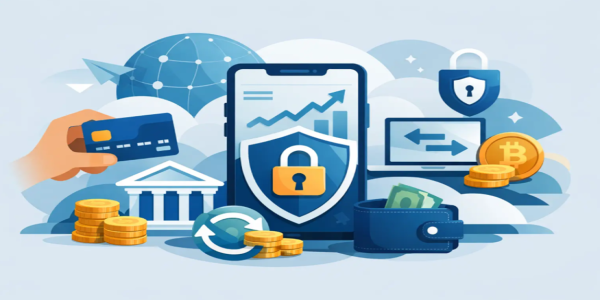
7 Secure Ways to Fund an Exchange Account
Learn secure ways to fund exchange accounts, protect each transfer, and move from cash to crypto with greater control, speed, and clear confidence now.
A funding mistake can cost more than a missed trade. Sending crypto to the wrong network, paying through an impersonator, or using a compromised payment account can turn a fast deposit into a permanent loss. The most secure ways to fund exchange accounts start with control: know where funds are coming from, verify exactly where they are going, and never let urgency make the decision for you.
For traders who value speed, privacy, and freedom of movement, security is not about adding unnecessary friction. It is about removing avoidable risk before capital reaches the market. A clean funding process lets you focus on the opportunity ahead instead of chasing a transaction that cannot be reversed.
Security Starts Before You Send Funds
Funding an exchange safely begins with the account you use to access it. Create a unique, long password that is not stored in a reused browser login. Turn on two-factor authentication with an authenticator app where available, rather than relying only on text messages. Your email deserves the same protection because it is often the recovery key for your trading account.
Then verify the destination independently. Type the exchange address directly into your browser or use a trusted bookmark you created yourself. Fake search ads, cloned login pages, and messages claiming there is a "deposit issue" are built to capture credentials or redirect funds. No legitimate platform needs your password, recovery code, or private wallet seed to help you make a deposit.
Use a device you control and a private connection. Public Wi-Fi in a hotel, airport, or coffee shop is not the place to move meaningful capital. If you must trade on the go, use your cellular connection and avoid installing unknown browser extensions, wallet apps, or remote-access software.
Secure Ways to Fund Exchange Accounts
The right funding method depends on the assets you hold, how quickly you want to trade, and the level of transaction visibility you are comfortable with. Security, cost, and settlement speed rarely move in perfect alignment. Choose the method that fits the trade, not the loudest promise.
Fund With a Bank Transfer for Deliberate Deposits
A bank transfer can be a strong choice when you are moving a larger amount of fiat and do not need to react to a minute-by-minute price move. Transfers create a clear record, usually involve fewer intermediaries than card payments, and can help you keep personal budgeting separate from trading capital.
Before sending, confirm the receiving account details inside your authenticated exchange session. Do not trust banking instructions pasted into an email, a direct message, or a social media post. If account details have changed unexpectedly, stop and confirm through the platform's official support channel.
Use an account in your own name and understand your bank's transfer timing, holds, and fees. A slower deposit is not automatically a worse deposit. For planned entries, the additional review time can be a worthwhile trade-off for lower cost and better control.
Use a Debit or Credit Card Carefully
Cards offer speed. That can be useful when you want immediate market access, but convenience can also raise fees and create more exposure to fraud disputes or card limits. Treat card funding as a tactical option, not a reason to overextend.
Only add a card through the authenticated funding page. Do not give card details to a person who says they can deposit for you, activate a bonus, or bypass a limit. Review the final amount, processing fee, and exchange rate before approving the transaction. A small fee difference becomes meaningful when repeated across multiple purchases.
For stronger control, enable transaction alerts with your card issuer. You will know quickly if a charge appears that you did not authorize, and you can respond before a minor issue becomes a larger account-security problem.
Transfer Crypto From a Wallet You Control
Moving crypto from a self-custody wallet can be one of the fastest ways to fund an exchange account. It gives you direct control over the assets and avoids entering payment card details. It also carries a hard truth: blockchain transfers are generally irreversible.
Match the asset and network exactly. USDT, for example, can exist on multiple networks, and an address that looks valid is not proof that it is valid for the network you selected. Check the deposit page, copy the address carefully, and compare the first and last characters before confirming.
For a first-time address or a sizable deposit, send a small test transaction. Wait for the required confirmations and verify that it arrives correctly before sending the rest. This extra step is not hesitation. It is disciplined risk management.
Keep your wallet recovery phrase offline and private. A legitimate exchange may provide a deposit address, but it will never need the seed phrase that controls your personal wallet.
Use Peer-to-Peer Funding With Clear Boundaries
Peer-to-peer transactions can expand your payment options and give you more flexibility when traditional rails are slow or limited. They also require sharper judgment because you are dealing with another participant rather than a simple one-way payment flow.
Keep communication and settlement inside the platform's designated process whenever possible. Avoid deals that ask you to move to an outside chat app, release assets before payment conditions are met, or accept screenshots as proof of payment. Screenshots can be edited. Account notifications and confirmed transaction status are what matter.
Trade with established counterparties when available, review the terms before accepting, and do not let a countdown timer pressure you into releasing funds. If a buyer or seller changes the payment method after the trade begins, cancel rather than improvising. Flexibility is valuable. Undefined risk is not.
The Checks That Protect Every Deposit
A secure funding routine is simple enough to repeat. Before every transfer, confirm the platform domain, the receiving address or bank details, the selected asset and network, the amount, and the total cost. Read the confirmation screen instead of clicking through it on autopilot.
For crypto deposits, save the transaction ID after sending and monitor the confirmation status. For fiat transfers, keep the transfer reference and the exact account details used. These records make it easier to resolve a legitimate delay without sharing sensitive data with random people online.
Set a personal funding limit as well. You do not need to move your entire balance just because a market setup looks attractive. Depositing in planned increments can reduce the damage from an input error, a sudden market reversal, or an emotional trade.
Privacy Does Not Mean Ignoring Risk
Many traders choose open-access platforms because they want fewer barriers between their capital and the market. That preference is understandable. Privacy can mean less data exposure, fewer unnecessary steps, and more personal control over financial decisions.
But privacy should never mean trusting anonymous messages, hiding from your own transaction records, or using money you do not control. Keep your own records, protect your devices, and follow the laws and payment-provider rules that apply to you. Real financial independence comes from making informed decisions, not from treating every warning as an obstacle.
Budrigan Market is built for traders who want direct access to crypto markets without the old-finance maze. That freedom works best when your funding habits are just as intentional as your trading strategy.
When a Transfer Does Not Arrive
Do not panic and do not send the same payment again immediately. First, check whether the transaction is pending, whether the correct network was selected, and whether the destination details match the deposit instructions. Blockchain deposits may need multiple confirmations, while bank payments can be delayed by weekends, cutoffs, or security reviews.
Use only official account support options if you need help. Provide the transaction reference or transaction ID, but never your password, two-factor code, private key, or recovery phrase. Anyone demanding those details is not solving a deposit problem. They are trying to take control of your funds.
The fastest route to the market is not blindly pressing send. It is building a funding process you can trust every time, then putting your capital to work with clear eyes and full control.
Share This Post
Recent Posts
-

Stablecoin Regulation Trends 2026 Explained
08 Oct 2026
-

Market Orders Versus Swaps: Know Your Trade
08 Oct 2026
-
Stablecoins Versus Bank Deposits Compared
08 Oct 2026
-
Crypto Taxes: Trade Freely, Report Clearly
08 Oct 2026
-
9 Top Wallet Security Mistakes to Stop Now
08 Oct 2026