How to Use P2P Crypto Without the Friction
Learn how to use p2p crypto for faster trades, flexible payments, and more privacy. Get practical steps to buy, sell, and stay safe.
The biggest reason people search for how to use p2p crypto is simple: they want to buy or sell digital assets without getting stuck in slow approvals, limited payment methods, or unnecessary barriers. P2P crypto puts you in direct control of the transaction. Instead of relying on a traditional exchange flow that decides how, when, and sometimes if you can move, you trade directly with another person on agreed terms.
That freedom is the appeal. It is also why understanding the process matters. P2P trading can be fast, flexible, and efficient, but only if you know how to move with purpose.
What P2P crypto actually means
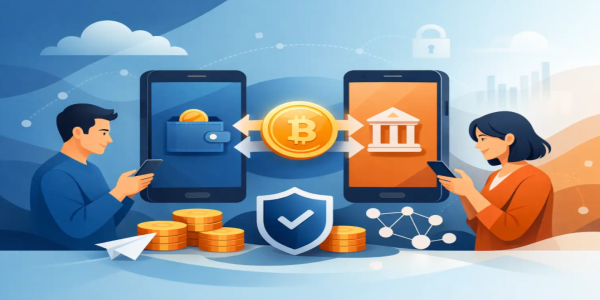
P2P stands for peer-to-peer. In crypto, that means buyers and sellers trade directly with each other rather than through a standard order book alone. The platform usually helps by listing offers, holding crypto in escrow during the trade, and giving both sides a place to confirm payment and release funds.
This setup changes the experience in a few important ways. You often get more payment options, more control over pricing, and a more direct path from cash to crypto or crypto to cash. For users who want flexibility instead of rigid exchange rules, that is a major advantage.
P2P is not one single method. Some people use it to buy Bitcoin with a bank transfer. Others sell stablecoins for cash app payments, gift cards, or local payment rails. Some traders use it for arbitrage, moving between pricing gaps in different markets. The right approach depends on what you are trying to do.
How to use P2P crypto step by step
If you are new, the easiest way to understand how to use p2p crypto is to think of it as a marketplace with rules. You choose an offer, follow the instructions, send or receive payment, and complete the release only when the terms are met.
1. Choose whether you are buying or selling
Start with your end goal. Are you trying to turn dollars into crypto, or are you cashing out crypto into fiat? That decision shapes everything else, from the payment method to the offer you choose.
If you are buying, focus on sellers with clear terms, strong completion history, and payment methods you can use immediately. If you are selling, look for buyers who can pay through a method you trust and verify quickly.
2. Pick the asset and payment method
Most P2P users begin with major assets like Bitcoin, Ethereum, or stablecoins. Stablecoins are often the easiest entry point because their price is designed to stay close to the US dollar, which makes pricing simpler.
Then choose the payment method. This can include bank transfer, mobile wallet, online payment services, or other local options supported on the platform. The key is speed and proof. A payment method that is easy to confirm reduces mistakes and delays.
3. Review the offer details carefully
This is where smart users separate themselves from rushed users. Before opening a trade, check the price, minimum and maximum trade size, payment window, and any special instructions.
Some sellers ask for payment within a short time frame. Some buyers only accept transfers from accounts with matching names. Some traders will only work with certain regions or currencies. Read everything before you commit.
4. Open the trade
Once you choose an offer, enter the amount you want to buy or sell and start the transaction. On a proper P2P platform, the crypto involved is typically locked in escrow when the trade begins. That protects both sides while payment is being made.
This matters. Without escrow, you are just trusting a stranger. With escrow, there is a process.
5. Follow the payment instructions exactly
If you are buying crypto, send the payment exactly as instructed. Match the amount. Use the approved payment method. Do not improvise. If the seller says no payment notes, do not add one. If the instructions require a screenshot, provide it in the trade chat.
If you are selling crypto, wait for the buyer’s payment and verify it independently. Do not rely on messages alone. Check your bank, wallet, or payment app yourself before confirming anything.
6. Confirm and release
When the payment is confirmed, the trade closes. If you are the buyer, the seller releases the crypto from escrow to your wallet. If you are the seller, you release only after you are certain the payment has arrived and cleared according to the method used.
This step is where caution wins. Never release early because someone claims they already paid. Verify first. Always.
How to use P2P crypto safely
P2P trading is straightforward, but it is still person-to-person trading. That means your safety comes from process, not guesswork.
The first rule is simple: keep everything inside the platform’s trade flow. Do not move the conversation to private apps if the trade has already started on-platform. Off-platform chats make disputes harder to resolve and increase your risk.
The second rule is to trust verification, not pressure. Some traders will try to rush you with urgency, screenshots, or claims of technical delays. None of that matters if the payment is not actually in your account.
The third rule is to respect the payment method’s risk profile. Bank transfers can be easier to verify than some app-based payments. Some methods settle instantly but carry reversal risk. Others are slower but more final. There is no perfect method for every trader. It depends on your priorities: speed, privacy, reversibility, and convenience.
Why people prefer P2P over traditional exchange flows
The appeal of P2P is not just lower friction. It is control. You are not waiting for a rigid system to dictate your options. You can choose from a wider range of payment methods, negotiate rates through market selection, and move on your own timeline.
For privacy-conscious users, P2P can also feel more direct. You are completing a trade with another participant instead of navigating layers of institutional workflow. For active traders, that can mean faster access to opportunities. For everyday users, it can simply mean fewer obstacles between deciding to buy and actually owning crypto.
That said, P2P is not automatically better in every situation. If you want instant one-click execution at scale, a standard spot market may be faster. If you need payment flexibility, local methods, or more autonomy, P2P often wins.
Common mistakes beginners make
Most problems in P2P trading come from impatience. New users often choose the cheapest offer without checking the trader’s history. A lower price can be attractive, but reputation, completion rate, and clear terms matter just as much.
Another mistake is ignoring timing. If a payment window is 15 minutes, treat it seriously. Delays can cancel the trade and waste time for both sides.
The biggest error is releasing crypto before confirmed payment. This is the one rule that should never bend. No excuse, no pressure, no screenshot changes that.
What to look for in a P2P platform
If you want the best experience, the platform matters as much as the counterparty. A strong P2P platform should offer clear escrow protection, a simple interface, visible trader history, flexible payment options, and fast wallet functionality.
It should also make the process feel immediate, not bureaucratic. That is the whole point. You are here for trading freedom, not extra friction. Platforms built for direct access and broad payment flexibility can make P2P feel less like a workaround and more like the smarter path. Budrigan Market is built around that exact advantage, giving users faster access to peer-to-peer crypto activity without the usual drag.
When P2P crypto makes the most sense
P2P is especially useful when you want to buy crypto using a payment method that standard exchanges do not support, when you want more control over who you trade with, or when you want to move quickly without overcomplicated onboarding.
It also makes sense for traders watching price differences across markets. P2P can create opportunities that do not always appear in conventional exchange interfaces. For some users, that means convenience. For others, it means strategy.
If you have been wondering how to use p2p crypto, the answer is not complicated: choose the right offer, use escrow, follow the instructions, verify payment properly, and never rush the release. Once you understand that rhythm, P2P stops feeling risky and starts feeling efficient.
The real edge is not just access to crypto. It is access on your terms. That is where P2P stands out, and that is why more traders keep coming back to it.
Share This Post
Learn how to use p2p crypto for faster trades, flexible payments, and more privacy. Get practical steps to buy, sell, and stay safe.
The biggest reason people search for how to use p2p crypto is simple: they want to buy or sell digital assets without getting stuck in slow approvals, limited payment methods, or unnecessary barriers. P2P crypto puts you in direct control of the transaction. Instead of relying on a traditional exchange flow that decides how, when, and sometimes if you can move, you trade directly with another person on agreed terms.
That freedom is the appeal. It is also why understanding the process matters. P2P trading can be fast, flexible, and efficient, but only if you know how to move with purpose.
What P2P crypto actually means
P2P stands for peer-to-peer. In crypto, that means buyers and sellers trade directly with each other rather than through a standard order book alone. The platform usually helps by listing offers, holding crypto in escrow during the trade, and giving both sides a place to confirm payment and release funds.
This setup changes the experience in a few important ways. You often get more payment options, more control over pricing, and a more direct path from cash to crypto or crypto to cash. For users who want flexibility instead of rigid exchange rules, that is a major advantage.
P2P is not one single method. Some people use it to buy Bitcoin with a bank transfer. Others sell stablecoins for cash app payments, gift cards, or local payment rails. Some traders use it for arbitrage, moving between pricing gaps in different markets. The right approach depends on what you are trying to do.
How to use P2P crypto step by step
If you are new, the easiest way to understand how to use p2p crypto is to think of it as a marketplace with rules. You choose an offer, follow the instructions, send or receive payment, and complete the release only when the terms are met.
1. Choose whether you are buying or selling
Start with your end goal. Are you trying to turn dollars into crypto, or are you cashing out crypto into fiat? That decision shapes everything else, from the payment method to the offer you choose.
If you are buying, focus on sellers with clear terms, strong completion history, and payment methods you can use immediately. If you are selling, look for buyers who can pay through a method you trust and verify quickly.
2. Pick the asset and payment method
Most P2P users begin with major assets like Bitcoin, Ethereum, or stablecoins. Stablecoins are often the easiest entry point because their price is designed to stay close to the US dollar, which makes pricing simpler.
Then choose the payment method. This can include bank transfer, mobile wallet, online payment services, or other local options supported on the platform. The key is speed and proof. A payment method that is easy to confirm reduces mistakes and delays.
3. Review the offer details carefully
This is where smart users separate themselves from rushed users. Before opening a trade, check the price, minimum and maximum trade size, payment window, and any special instructions.
Some sellers ask for payment within a short time frame. Some buyers only accept transfers from accounts with matching names. Some traders will only work with certain regions or currencies. Read everything before you commit.
4. Open the trade
Once you choose an offer, enter the amount you want to buy or sell and start the transaction. On a proper P2P platform, the crypto involved is typically locked in escrow when the trade begins. That protects both sides while payment is being made.
This matters. Without escrow, you are just trusting a stranger. With escrow, there is a process.
5. Follow the payment instructions exactly
If you are buying crypto, send the payment exactly as instructed. Match the amount. Use the approved payment method. Do not improvise. If the seller says no payment notes, do not add one. If the instructions require a screenshot, provide it in the trade chat.
If you are selling crypto, wait for the buyer’s payment and verify it independently. Do not rely on messages alone. Check your bank, wallet, or payment app yourself before confirming anything.
6. Confirm and release
When the payment is confirmed, the trade closes. If you are the buyer, the seller releases the crypto from escrow to your wallet. If you are the seller, you release only after you are certain the payment has arrived and cleared according to the method used.
This step is where caution wins. Never release early because someone claims they already paid. Verify first. Always.
How to use P2P crypto safely
P2P trading is straightforward, but it is still person-to-person trading. That means your safety comes from process, not guesswork.
The first rule is simple: keep everything inside the platform’s trade flow. Do not move the conversation to private apps if the trade has already started on-platform. Off-platform chats make disputes harder to resolve and increase your risk.
The second rule is to trust verification, not pressure. Some traders will try to rush you with urgency, screenshots, or claims of technical delays. None of that matters if the payment is not actually in your account.
The third rule is to respect the payment method’s risk profile. Bank transfers can be easier to verify than some app-based payments. Some methods settle instantly but carry reversal risk. Others are slower but more final. There is no perfect method for every trader. It depends on your priorities: speed, privacy, reversibility, and convenience.
Why people prefer P2P over traditional exchange flows
The appeal of P2P is not just lower friction. It is control. You are not waiting for a rigid system to dictate your options. You can choose from a wider range of payment methods, negotiate rates through market selection, and move on your own timeline.
For privacy-conscious users, P2P can also feel more direct. You are completing a trade with another participant instead of navigating layers of institutional workflow. For active traders, that can mean faster access to opportunities. For everyday users, it can simply mean fewer obstacles between deciding to buy and actually owning crypto.
That said, P2P is not automatically better in every situation. If you want instant one-click execution at scale, a standard spot market may be faster. If you need payment flexibility, local methods, or more autonomy, P2P often wins.
Common mistakes beginners make
Most problems in P2P trading come from impatience. New users often choose the cheapest offer without checking the trader’s history. A lower price can be attractive, but reputation, completion rate, and clear terms matter just as much.
Another mistake is ignoring timing. If a payment window is 15 minutes, treat it seriously. Delays can cancel the trade and waste time for both sides.
The biggest error is releasing crypto before confirmed payment. This is the one rule that should never bend. No excuse, no pressure, no screenshot changes that.
What to look for in a P2P platform
If you want the best experience, the platform matters as much as the counterparty. A strong P2P platform should offer clear escrow protection, a simple interface, visible trader history, flexible payment options, and fast wallet functionality.
It should also make the process feel immediate, not bureaucratic. That is the whole point. You are here for trading freedom, not extra friction. Platforms built for direct access and broad payment flexibility can make P2P feel less like a workaround and more like the smarter path. Budrigan Market is built around that exact advantage, giving users faster access to peer-to-peer crypto activity without the usual drag.
When P2P crypto makes the most sense
P2P is especially useful when you want to buy crypto using a payment method that standard exchanges do not support, when you want more control over who you trade with, or when you want to move quickly without overcomplicated onboarding.
It also makes sense for traders watching price differences across markets. P2P can create opportunities that do not always appear in conventional exchange interfaces. For some users, that means convenience. For others, it means strategy.
If you have been wondering how to use p2p crypto, the answer is not complicated: choose the right offer, use escrow, follow the instructions, verify payment properly, and never rush the release. Once you understand that rhythm, P2P stops feeling risky and starts feeling efficient.
The real edge is not just access to crypto. It is access on your terms. That is where P2P stands out, and that is why more traders keep coming back to it.