A Guide to Flexible Crypto Funding
This guide to flexible crypto funding shows how to move fast with more payment options, better control, and fewer barriers to trading access.
The moment a market moves, funding friction becomes expensive. If you have to wait on paperwork, bank delays, or limited deposit methods, the trade you wanted may already be gone. That is exactly why a guide to flexible crypto funding matters - not as theory, but as a practical advantage for traders who want speed, control, and room to act.
Traditional funding models were built for gatekeeping. Crypto was supposed to change that. Yet plenty of platforms still force users through slow approval chains, narrow payment options, and account restrictions that work against real-world trading behavior. If you want freedom to buy, convert, send, or reposition capital quickly, flexible funding is not a bonus feature. It is part of the strategy.
What flexible crypto funding really means
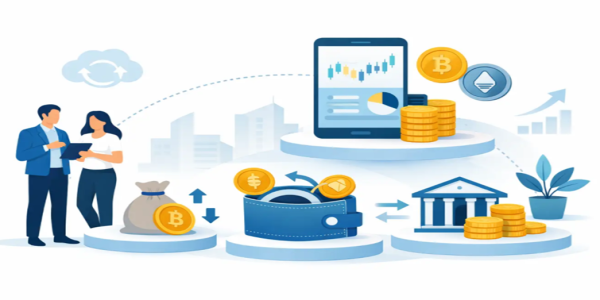
Flexible crypto funding means you are not boxed into a single path to enter the market. Instead of relying on one bank transfer method or one approved card processor, you have multiple ways to move value into your trading account or wallet. That can include crypto deposits, peer-to-peer transactions, fiat on-ramp options, card payments, direct wallet transfers, and conversions between crypto and cash equivalents.
The real benefit is optionality. Markets do not wait for administrative convenience. A flexible setup lets you fund based on what is available, fast, and cost-effective for your situation. Sometimes that means using existing crypto holdings. Sometimes it means converting from one asset to another. Sometimes it means using P2P because it is quicker or more practical than a standard payment rail.
There is also a privacy angle. Many traders are not looking for unnecessary exposure every time they move funds. They want a cleaner path between intent and execution, with fewer barriers and fewer demands than they see on compliance-heavy exchanges.
Why a guide to flexible crypto funding matters now
Crypto users are more diverse than ever. Some are active spot traders. Some want binary exposure for short-term opportunities. Some are arbitrage-minded and need to move fast across price gaps. Others simply want a straightforward way to buy, hold, convert, and transfer assets without feeling trapped in a rigid platform workflow.
That variety changes what good funding looks like. One-size-fits-all funding does not fit anyone particularly well. A first-time buyer may need fiat access. A privacy-focused user may prefer direct crypto deposits. A P2P user may value negotiation and payment flexibility. An experienced trader may prioritize speed over everything else. The best funding model adapts to the user, not the other way around.
This is where flexible crypto funding becomes more than convenience. It becomes market access. If your deposit options are limited, your strategy is limited too.
The core funding paths and where each one fits
Crypto deposits are usually the fastest answer for users who already hold digital assets. If you have funds in a personal wallet or on another platform, transferring crypto directly gives you immediate market readiness without depending on banking hours or card approvals. The trade-off is that network fees and confirmation times vary by asset, so speed depends on what coin you use and when you send it.
Fiat on-ramp funding is often the entry point for newer users or for traders bringing fresh capital into the market. This route matters because it gives direct access from dollars to crypto exposure. The upside is familiarity. The downside is that some providers attach more checks, delays, or payment restrictions than users expect.
Peer-to-peer funding is attractive when users want more control over how a transaction gets done. P2P can open the door to broader payment methods and more direct transactions between users. It can also be useful in situations where traditional methods feel slow or overly restrictive. The key trade-off here is judgment. Flexibility rises, but users still need to pay attention to transaction details, counterparties, and timing.
Crypto-to-crypto conversion is another major part of flexible funding that people often overlook. You may not need new money at all. You may simply need to rotate from one asset into another to catch an opportunity or reduce risk. Fast conversion matters when conditions change quickly and you want capital to stay active rather than idle.
Crypto-to-USD conversion works in the other direction. Sometimes flexibility means stepping back into a dollar-denominated position without exiting the ecosystem entirely. That can help traders lock in gains, reduce volatility exposure, or prepare for the next move.
How to choose the right funding method for your style
The best method depends on what kind of trader you are. If speed is everything, direct crypto deposits and internal conversions usually make the most sense. If you are entering the market for the first time, fiat on-ramp access may be the simplest route. If you value optionality and payment variety, P2P may offer more freedom.
You also want to think in terms of repeat behavior, not just one deposit. A funding method that works once but creates friction every week is not really flexible. Look for a setup that supports how you plan to trade over time.
Cost matters, but not in a simplistic way. The cheapest funding option is not always the best one if it costs you speed or blocks access when timing matters. At the same time, the fastest method is not always ideal if fees eat into smaller trades. Flexible funding works best when you can switch approaches based on the size, urgency, and purpose of the transaction.
What smart traders look for in a funding platform
First, they look for minimal barriers between signup and action. If a platform turns a basic funding step into a long process, that delay can affect every trade that follows. Access should feel direct.
Second, they look for multiple funding routes in one place. Moving between wallets, conversions, P2P transactions, and trading functions should not feel scattered. The more steps you remove, the easier it is to stay focused on the market instead of the mechanics.
Third, they look for broad asset support. More available coins means more ways to position capital, fund with what you already hold, and respond to changing opportunities. If you are limited to a narrow asset list, your funding flexibility shrinks fast.
Fourth, they care about privacy and control. Plenty of crypto users are not interested in handing over more personal information than necessary just to make a deposit or place a trade. A platform built around low-friction access has a clear advantage here.
This is one reason platforms like Budrigan Market appeal to traders who want immediate market entry, broad payment flexibility, and fewer restrictions standing between them and execution.
Common mistakes that make funding less flexible
A lot of traders create their own bottlenecks. They rely on one funding source and assume it will always be available. Then a payment method slows down, a transfer window changes, or a bank declines a transaction, and suddenly they are stuck on the sidelines.
Another mistake is ignoring conversion tools. If you only think of funding as depositing fresh money, you miss the value of moving efficiently between crypto assets or back into USD positions when the situation calls for it.
Some users also chase speed without checking the full cost picture. Urgent funding can make sense, but if you are constantly paying premium fees for avoidable transactions, flexibility starts turning into drag. The better approach is to keep several workable methods ready and use the one that fits the moment.
Finally, many traders underestimate user interface friction. A platform can advertise options, but if the process is clunky, confusing, or slow to navigate, it still limits action. Real flexibility feels simple when the market is moving.
The bigger advantage of flexible crypto funding
Funding is not just the step before trading. It shapes how freely you can participate in the market at all. When you can move from fiat to crypto, crypto to crypto, crypto to USD, wallet to platform, or peer to peer without unnecessary slowdown, you gain more than convenience. You gain responsiveness.
That responsiveness matters whether you are catching a short-term setup, testing a new asset, sending value between wallets, or protecting gains during volatility. Flexible funding gives you room to act on your own terms. That is the point.
The strongest crypto platforms understand this. They do not treat funding like a back-office chore. They treat it as part of the trading experience itself - fast, accessible, private, and built around user control.
If you want fewer barriers between decision and execution, start by fixing the funding side first. The trader with more options usually has more staying power, and in crypto, staying power often starts before the first order is ever placed.
Share This Post
Recent Posts
-

Stablecoin Regulation Trends 2026 Explained
08 Oct 2026
-

Market Orders Versus Swaps: Know Your Trade
08 Oct 2026
-

Stablecoins Versus Bank Deposits Compared
08 Oct 2026
-
Crypto Taxes: Trade Freely, Report Clearly
08 Oct 2026
-
9 Top Wallet Security Mistakes to Stop Now
08 Oct 2026