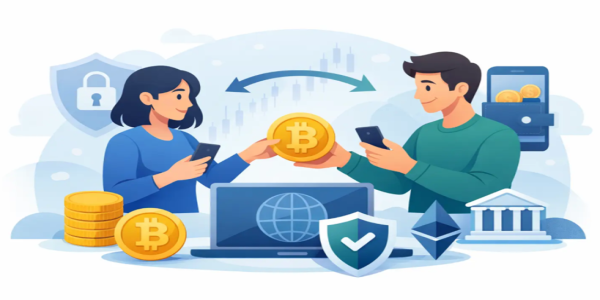
Can Beginners Use Crypto P2P Safely?
Can beginners use crypto P2P safely? Yes, with the right platform, payment checks, and basic caution, new users can buy and sell with confidence.
You do not need to be a pro trader to start using peer-to-peer crypto markets. If you're wondering can beginners use crypto p2p, the short answer is yes - but only if the platform is simple, the process is clear, and you understand where caution matters. P2P is not reserved for experts. It is often one of the fastest ways for new users to get direct access to crypto without getting stuck in slow, restrictive exchange systems.
That matters because many beginners are not looking for a lecture on blockchain theory. They want to buy or sell crypto, choose a payment method that works for them, and move on without a maze of delays. P2P trading can offer exactly that. It gives people more control over how they fund transactions, who they trade with, and how quickly they can act.
Can Beginners Use Crypto P2P Without Getting Overwhelmed?
Yes, if the platform removes friction instead of adding it. The biggest barrier for new users is usually not the trade itself. It is the clutter around it - confusing interfaces, too many approval steps, and systems built more for compliance departments than actual traders.
A beginner-friendly P2P experience keeps the path short. You choose an offer, review the payment terms, send payment, and confirm completion once everything matches. That is much easier to grasp than most people expect. The idea sounds technical, but the actual process is often more straightforward than buying crypto through a traditional exchange tied to banking restrictions or rigid account requirements.
Still, easy does not mean risk-free. P2P puts more responsibility in the hands of the user. That is part of the appeal. It is also why beginners need a few simple habits before they start.
What Crypto P2P Actually Means
Peer-to-peer crypto trading means you are trading directly with another user rather than buying from the platform itself. The platform acts as the marketplace and usually provides the structure that helps both sides complete the trade.
In practice, that means one user posts an offer to buy or sell crypto. Another user accepts. The payment happens using the agreed method, and the crypto is released once the terms are met. For beginners, that direct model can feel more intuitive than order books and advanced chart tools.
It also opens more flexibility. You may get access to payment options that are not available on conventional exchanges. You may be able to act faster. You may also have more privacy and fewer barriers between signup and trading, which is a major draw for users who want speed and independence.
Why P2P Appeals to First-Time Crypto Users
Beginners are often told to start small, but they are rarely told to start simple. P2P can be simple in a way that standard trading platforms often are not.
First, it gives users a clearer sense of what is happening. You see the price, the amount, the payment method, and the seller's terms before you commit. That transparency helps reduce the feeling that crypto is some hidden system only insiders understand.
Second, P2P markets can offer flexibility that beginners actually care about. Payment choice is a big one. Not everyone wants to rely on one card processor or one banking route. P2P gives users more ways to move.
Third, there is the speed factor. New users often lose momentum when a platform turns a basic account setup into a waiting game. P2P is attractive because it can shorten the distance between intent and execution. For people who value control, privacy, and immediate access, that is not a side benefit. It is the main event.
Where Beginners Usually Make Mistakes
Most beginner mistakes in P2P are not complicated. They come from rushing.
The first mistake is ignoring seller terms. Every offer has conditions, and new users sometimes click based on price alone. If the payment window is short or the seller requires a specific transfer note, skipping those details can create problems fast.
The second mistake is confirming payment too early. If you have not actually sent the funds, do not mark the transaction as paid. That button matters. It starts the next stage of the trade and should only be used when the payment is complete.
The third mistake is trading outside the platform flow. If someone asks to continue on another app or wants to bypass the marketplace process, that is usually where trouble starts. Beginners should keep everything inside the trade structure provided.
The fourth mistake is choosing speed over trust signals. A very attractive price can look exciting, but if the trader's history, completion rate, or terms look inconsistent, the better move is to pass.
How Beginners Can Use Crypto P2P More Safely
Safety in P2P is not about becoming paranoid. It is about becoming consistent.
Start with small trades. That keeps your learning curve cheap. The goal of a first transaction is not to maximize profit. It is to understand the workflow and build confidence.
Read every term before you accept an offer. Check the payment method, time limits, and any instructions from the other party. If something feels vague, move on.
Keep records of your payment confirmation. Screenshots, reference numbers, and timestamps help if there is ever a dispute. You may not need them, but having them is part of trading smart.
Use platforms that are built for fast, low-friction trading while still giving users a protected transaction structure. A clean interface matters more than people think. When a platform is easy to read and easy to navigate, beginners make fewer mistakes.
What Makes a P2P Platform Beginner-Friendly
A beginner-friendly platform does not need to water down crypto. It needs to remove avoidable friction.
Clear offer layouts help users compare prices and terms fast. Simple wallet access helps them move between holding and trading without juggling multiple services. Flexible payment support makes the platform usable in the real world, not just in theory. Fast access matters too. If a user wants to act on a market opportunity, waiting through unnecessary delays defeats the point.
This is where platforms built around freedom and ease have an edge. Budrigan Market, for example, is positioned for users who want direct access, broad payment flexibility, and fewer barriers between signup and execution. That kind of setup can be especially appealing for beginners who want to start trading without getting buried in institutional-style friction.
Is Crypto P2P Better Than a Traditional Exchange for Beginners?
It depends on the beginner.
If someone wants a highly guided, heavily restricted environment and does not mind slower access, a traditional exchange may feel familiar. But that structure often comes with trade-offs - more onboarding hurdles, fewer payment choices, and less flexibility.
If someone values independence, privacy, speed, and direct control, P2P may actually be the easier starting point. Not because it is risk-free, but because it is more transparent in the moment. You are looking at a specific offer from a specific user under specific terms. For many beginners, that is easier to understand than navigating a broader exchange ecosystem full of hidden delays and layered requirements.
The real question is not whether P2P is beginner-only or expert-only. It is whether the beginner is willing to follow the process carefully. If yes, P2P can be a practical entry point into crypto, not an advanced-level tool.
The Best Mindset for a First P2P Trade
Treat your first few trades like skill-building, not a rush to win big. That mindset changes everything. It makes you slower in the right places and faster in the ones that matter.
Crypto P2P rewards users who stay alert, read the details, and keep control of their process. Beginners can absolutely do that. In many cases, they do better than overconfident traders because they pay closer attention.
If you want more freedom in how you buy and sell crypto, P2P is not something you need to wait to "graduate" into. Start small, stay sharp, and let your confidence come from clean execution, not guesswork.
Share This Post
Recent Posts
-
Stablecoin Regulation Trends 2026 Explained
08 Oct 2026
-
Market Orders Versus Swaps: Know Your Trade
08 Oct 2026
-
Stablecoins Versus Bank Deposits Compared
08 Oct 2026
-
Crypto Taxes: Trade Freely, Report Clearly
08 Oct 2026
-
9 Top Wallet Security Mistakes to Stop Now
08 Oct 2026