Crypto P2P Payment Methods That Actually Work
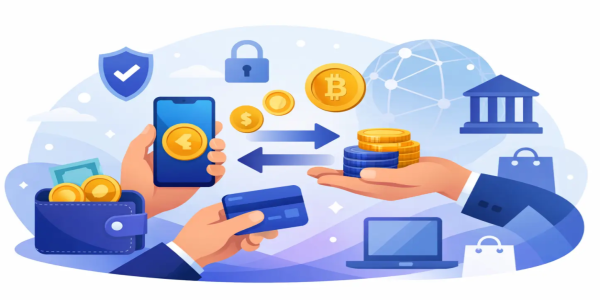
Learn which crypto p2p payment methods work best for speed, privacy, and flexibility, and how to choose the right option for safer trades.
Speed matters when a market move is live and your funds are stuck waiting on a bank, a card review, or a platform that treats every deposit like a compliance case. That is exactly why crypto p2p payment methods keep gaining ground with traders who want more control, more flexibility, and fewer barriers between decision and execution.
Peer-to-peer crypto transactions are simple at the core. One user pays another user directly using a mutually accepted payment option, and the crypto is released once the payment is confirmed. But the method you choose shapes the entire experience. It affects speed, privacy, dispute risk, pricing, and how easy it is to move again when the next opportunity shows up.
For traders who value fast access and fewer restrictions, not all payment methods are equal. Some are built for convenience. Some are built for privacy. Some look easy up front but create chargeback headaches later. If you want to trade with confidence, you need to know what each option really gives you.
How crypto p2p payment methods really differ
The biggest mistake new users make is treating every payment option as interchangeable. They are not. In a P2P market, the payment rail is part of the trade strategy.
A bank transfer usually offers familiarity and larger transaction comfort, but settlement speed depends on the bank, time of day, and region. A mobile wallet payment can be faster and easier for small trades, but seller acceptance varies. Cash deals can offer strong privacy, yet they require trust, location coordination, and extra caution. Gift cards attract some users because they are accessible, but they often come with wider spreads and more fraud exposure.
The real question is not which method is best in the abstract. It is which method matches your priorities right now. If your goal is immediate execution, you will likely favor methods with fast confirmation. If your goal is privacy, you will weigh data exposure more heavily. If your goal is volume, you will care about limits, reversibility, and seller confidence.
The main crypto p2p payment methods traders use
Bank transfers
Bank transfers remain one of the most common choices because they are familiar, widely available, and often suitable for mid-size to larger trades. Many buyers and sellers trust them because the payment proof is straightforward and the process feels established.
The trade-off is speed and friction. Some transfers post instantly, while others drag into business-hour delays, manual reviews, or weekend slowdowns. Banks can also flag unusual activity, especially if your transaction pattern changes quickly. For users who want uninterrupted access, that unpredictability matters.
Mobile payment apps and digital wallets
These methods appeal to users who want speed and convenience. Payments can move quickly, the interfaces are simple, and they work well for everyday-sized transactions.
Still, convenience has a cost. Some app-based payments can be disputed or reversed, which makes sellers more cautious. That caution usually shows up in pricing, verification requests inside the trade chat, or stricter terms before release. If you use this route, read the seller conditions closely and make sure your payment account name and details match what is required.
Cash payments
Cash remains one of the most privacy-friendly options in the P2P world. It can reduce the digital trail and give users a direct way to convert fiat into crypto without relying on traditional rails.
But cash is not automatically easier or safer. In-person deals require common-sense security, public meeting places, and clear release procedures. Cash deposits can be useful in some markets, yet they may still trigger bank scrutiny depending on the institution. Privacy is the upside. Personal safety and logistics are the trade-offs.
Gift cards and prepaid value
Gift cards are popular with users who want alternative funding routes, especially when standard banking access is limited. They can also create opportunities in markets where card balances or prepaid instruments are easier to source than direct transfer options.
This is also one of the highest-risk categories. Fraud attempts are more common, card balances can be disputed, and pricing is usually less favorable. Sellers often demand detailed proof before accepting the trade. If you are looking for the cleanest and most efficient path, gift cards are rarely the first choice.
Other crypto as payment
Some P2P users fund trades with stablecoins or other digital assets instead of fiat. This can be fast, border-light, and useful for active traders rotating between positions.
The main consideration here is volatility and network cost. If you are paying with a coin that moves sharply, the economics of the trade can shift quickly. Stablecoins often make more sense for this reason, especially when speed matters and you want to avoid fiat bottlenecks.
What to prioritize before choosing a payment method
Speed gets attention first, but smart traders look at reversibility just as closely. A payment method that can be charged back after crypto is released creates more tension in the trade and raises the chance of stricter seller terms. Methods with lower reversal risk often lead to smoother transactions.
Privacy is another major factor. Some users are comfortable using bank-linked accounts and mainstream apps. Others want minimal data exposure and more transactional discretion. There is no single right answer here, but there is always a trade-off between convenience, traceability, and access.
Then there is pricing. In P2P markets, the payment method affects the exchange rate you get. The more risk or inconvenience a seller takes on, the more premium they usually demand. Fast and irreversible methods may get better pricing. Riskier or harder-to-verify methods often cost more.
Availability matters too. The best method is useless if few reliable sellers accept it. Depth of offers, local payment adoption, and your own funding setup all shape what is actually practical.
How to use crypto p2p payment methods more safely
A good trade starts before the payment is sent. Check the counterparty history, completion rate, and trade terms. If anything is vague, rushed, or inconsistent, move on. There is always another offer.
Inside the trade, keep communication on-platform and follow the exact instructions listed by the seller. Send only from an account you control and use payment details that match the trade requirements. Random shortcuts create avoidable disputes.
Never mark a payment as complete before the funds are truly sent, and never release crypto because someone claims payment without proof you can verify. Screenshots alone are not enough. Confirm actual receipt when that is part of your side of the trade.
If a platform offers escrow, use it properly. Escrow is not just a feature badge. It is what keeps the asset locked while both sides complete the agreed process. For users who want low-friction access without giving up protection, that matters.
Which payment method is best for different trader goals?
If you want pure speed, app-based payments and crypto-funded transactions often feel the fastest, assuming seller acceptance is strong. If you want larger-size familiarity, bank transfers may still be the practical option. If privacy is your top concern, cash-based methods can be attractive, but they demand more caution and better judgment.
If you are optimizing for repeat trading, stable and widely accepted methods usually win over niche alternatives. The goal is not just finishing one trade. The goal is building a repeatable funding path that lets you move when the market does.
That is where platform choice starts to matter just as much as payment choice. A flexible marketplace with broad payment support, easy navigation, and fewer onboarding barriers gives you more room to act on opportunity instead of waiting for permission. Budrigan Market is built for users who want that kind of freedom - fast access, broad payment flexibility, and a direct path from funding to trading.
Why flexibility is the real advantage
The strongest P2P traders are not loyal to one payment method forever. They adapt. When one rail slows down, fees spike, or sellers disappear, they switch to what works. That flexibility is the real edge.
Crypto p2p payment methods are not just a technical detail. They are a practical lever for speed, access, and control. Pick the method that matches your risk tolerance, verify every step, and keep your setup flexible enough to move when opportunity shows up.
Share This Post
Recent Posts
-

Crypto Swap Service Review for Fast Traders
20 Apr 2026
-
Anonymous Digital Asset Access Explained
20 Apr 2026
-

How to Sell Crypto Peer to Peer Safely
20 Apr 2026
-
7 Best Coins for Quick Conversion
16 Apr 2026
-
Guide to P2P Crypto Safety That Works
16 Apr 2026