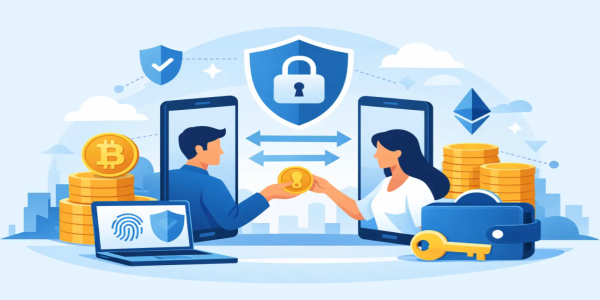
Guide to P2P Crypto Safety That Works
A practical guide to p2p crypto safety with smart steps to avoid scams, secure payments, verify traders, and protect every deal.
A fast trade can turn into a frozen payment, a fake receipt, or a stolen wallet in minutes. That is why a real guide to p2p crypto safety matters - not as fear-based advice, but as a way to keep your freedom, your speed, and your funds under your control.
Peer-to-peer crypto trading gives you something most traditional platforms do not: flexibility. You choose how to pay, who to trade with, and when to move. That freedom is the upside. The catch is simple - more control means more responsibility. If you want the benefits of P2P without becoming easy prey for scammers, you need a system.
Why P2P safety matters more than people think
A lot of traders assume scams only hit beginners. That is not how it works. Most P2P fraud succeeds because the setup feels normal. The seller sees a payment screenshot and releases crypto too early. The buyer sends money to the wrong account because the counterparty changed terms mid-trade. Someone gets pushed to move the conversation off-platform and loses any record of what happened.
P2P markets move fast, and that speed is part of the appeal. But speed can also create pressure. Scammers count on urgency, distraction, and greed. If a deal feels slightly off, that feeling usually shows up before the actual loss. Good safety habits are not about slowing everything down. They are about filtering out bad trades before they cost you real money.
A practical guide to P2P crypto safety
The safest P2P traders do not rely on luck. They follow repeatable rules. That matters whether you are buying your first USDT or moving size across multiple payment methods.
Start with the trader, not the price
The lowest price or highest premium is not always the best deal. A suspiciously attractive offer often exists to pull you into a rushed decision. Before you focus on numbers, look at the trader profile. Check completion rate, trading history, account age, and whether their behavior looks consistent.
A newer account is not automatically dangerous, but it deserves more caution. A long trading record with steady volume usually tells you more than a flashy offer ever will. If the counterparty has frequent canceled trades, vague instructions, or strange communication patterns, move on.
Keep everything on-platform
This rule eliminates a huge share of avoidable losses. If someone asks you to continue in a private messenger, text thread, or social app, assume they are trying to remove accountability. Once you leave the platform environment, it gets harder to prove what was said, what was agreed to, and whether payment terms changed.
Legit traders do not need to pull you into side channels to complete a standard transaction. Convenience is not a good enough reason. Privacy matters, but so does a clean record of the trade.
Never release crypto from a screenshot alone
This is one of the oldest P2P traps because it still works. A screenshot is not proof of settlement. It is just an image. Banks can delay transfers. Some payment apps show pending status in ways that confuse newer traders. Screenshots can also be edited in seconds.
If you are selling crypto, confirm the money has actually arrived in your account and is available to use. Not pending. Not processing. Not promised. Settled. If that takes a few extra minutes, take them.
Match names, payment details, and trade terms
A common scam starts with a small change that seems harmless. The buyer says their account is limited and asks to pay from a friends bank. The seller says to send funds to a different name than the one shown in the trade. These mismatches create room for chargebacks, disputes, and fraud claims.
The cleaner the trade, the safer it is. Payment should come from the person in the trade, go to the account listed in the trade, and follow the original instructions. If details start shifting, cancel and reset. Flexibility is useful, but loose standards get expensive.
Red flags that should end the deal immediately
Some warning signs are subtle. Others are obvious. Either way, they are not worth debating.
If the other party pressures you to hurry, asks to split the payment into odd amounts, sends overpayment and requests a partial refund, claims escrow is unnecessary, or becomes aggressive when you ask basic verification questions, stop the trade. These are not quirks. They are patterns.
The same goes for fake customer support messages, doctored payment confirmations, and requests to unlock or release funds before verification is complete. Real traders want a smooth transaction. Scammers want you off balance.
Beware of reversible payment methods
Not every payment method carries the same risk. That is where many P2P users get caught. Bank transfers can be safer than card-based payments in some cases, but it depends on the bank and the region. Wallet transfers and certain instant payment apps may feel convenient, yet some are easier to dispute or reverse than others.
If you are selling crypto, think like a risk manager. Ask one question before accepting a payment method: how easy is it for the sender to reverse this after I release crypto? The easier the reversal, the higher your caution should be. Faster does not always mean safer.
How to protect your wallet and account
P2P safety is not just about the trade itself. Your account setup matters just as much. A careful trader can still lose funds through weak device security, bad password habits, or phishing.
Use a unique password and turn on two-factor authentication. Do not reuse exchange credentials anywhere else. If you store large balances, keep only working capital in your trading wallet and move the rest to more secure storage. That extra step matters because active trading accounts are exposed more often than long-term cold storage.
Phishing is another major threat. Always verify where you are logging in. Fake login pages, cloned support chats, and lookalike domains are built to steal credentials from people who are in a hurry. If you feel rushed, slow down. That one pause can save your account.
Your device is part of your security system
Trading from a compromised phone or laptop makes every other safety step weaker. Keep your software updated. Avoid public Wi-Fi for sensitive transactions unless you trust your setup. Do not install random screen-sharing apps or browser extensions just because someone in a trade tells you to.
A clean device is basic, but basic does not mean optional. P2P safety starts before the deal opens.
The safest way to handle disputes
Even clean trades can go sideways. Payments get delayed. Banking apps lag. Someone misunderstands the instructions. The key is not to panic or improvise.
When a dispute happens, keep communication clear and inside the platform. State what happened, share the required evidence, and wait for the proper process. Emotional arguments and side deals usually make things worse. Documentation wins disputes, not confidence.
This is also why detailed trade instructions matter. If your terms are vague, resolution gets messy. If your terms are specific, it becomes easier to show whether the other party followed them.
Smart habits that make every trade safer
The best P2P traders build routines. They do not decide safety rules in the middle of a live transaction. They already know what they will accept, what they will reject, and when they will walk away.
Trade with limits that fit your experience. If you are testing a new payment method or a new counterparty, start small. Scale comes after consistency. There is nothing impressive about taking unnecessary risk on your first interaction with a stranger.
It also helps to trade when you are focused. Late-night deals, multitasking, and emotional trading create mistakes. A scam does not need a genius-level setup if you are distracted enough to miss the obvious.
Freedom works better with discipline
P2P crypto trading opens doors that traditional systems like to keep closed. You get speed, flexibility, privacy, and more control over how you move value. That is exactly why disciplined safety matters. Freedom without rules is not power. It is exposure.
A platform built for fast access and fewer barriers, like Budrigan Market, can give traders more room to act. Your job is to bring the judgment that keeps that freedom working for you. Check the trader. Verify the payment. Stay on-platform. Protect your wallet. Walk away the second a deal stops looking clean.
The strongest move in P2P is not doing more trades. It is doing smarter ones, every single time.
Share This Post
Recent Posts
-
Stablecoin Regulation Trends 2026 Explained
08 Oct 2026
-
Market Orders Versus Swaps: Know Your Trade
08 Oct 2026
-
Stablecoins Versus Bank Deposits Compared
08 Oct 2026
-
Crypto Taxes: Trade Freely, Report Clearly
08 Oct 2026
-
9 Top Wallet Security Mistakes to Stop Now
08 Oct 2026