Crypto Wallet Funding Methods That Work
Compare crypto wallet funding methods by speed, cost, privacy, and control so you can move from payment to trading with fewer delays.
The moment you decide to buy or move crypto, one question matters more than most beginners expect: how are you going to fund the wallet? The best crypto wallet funding methods are not just about getting money in. They shape your fees, your speed, your privacy, and how fast you can act when the market moves.
If you want low-friction access to trading, funding choice is strategy. A slow bank transfer can cost you timing. A card purchase can cost you more in fees. A peer-to-peer payment can give you more flexibility, but it also asks for more attention. There is no single perfect option. There is only the method that fits how you trade.
Why crypto wallet funding methods matter
Too many people treat funding like a setup step. It is not. It is part of the trade itself.
When your wallet is easy to fund, you can react faster to price shifts, move between assets with less delay, and avoid getting stuck in account review loops that kill momentum. For privacy-conscious users, funding also affects how much personal information gets attached to each move. For active traders, it determines whether capital is actually available when an opportunity shows up.
That is why smart traders compare crypto wallet funding methods on four things first: speed, total cost, payment flexibility, and control. Everything else comes after that.
The main crypto wallet funding methods to know
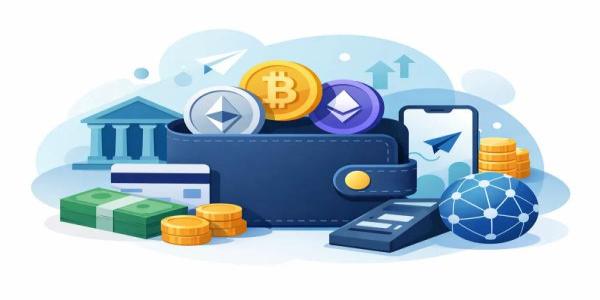
Most users will end up using one or more of these paths: bank transfers, debit or credit cards, peer-to-peer payments, crypto transfers from another wallet, and third-party payment rails. Each one solves a different problem.
Bank transfers
Bank transfers usually appeal to users who want larger deposits and lower percentage fees. If you are not in a rush, this method can be cost-effective. It is often the choice for people who plan to fund once, then trade multiple times from that balance.
The downside is speed. Depending on the platform and banking network, transfers can take time to clear. Some users also hit friction from bank-side reviews, payment blocks, or limited support for crypto-related transactions. So while bank funding can be efficient on cost, it is rarely the best option when timing is everything.
Debit and credit cards
Card funding is built for immediacy. You decide to buy, you pay, and your wallet can often be funded fast enough to act on the spot. That convenience is why cards remain one of the most popular crypto wallet funding methods.
The trade-off is price. Card processing fees tend to be higher, and some issuers treat crypto purchases as cash-like transactions. That can mean extra charges or restrictions depending on your provider. It is a strong option for speed-first users, but not always for fee-sensitive ones.
Peer-to-peer payments
Peer-to-peer funding gives users more freedom. Instead of relying only on traditional rails, you can transact directly with another party using agreed payment methods and terms. For traders who want flexibility, alternative payment options, or a more independent route into crypto, this method can be attractive.
It also requires more judgment. You need to understand the process, confirm details carefully, and use a platform that structures the transaction clearly. Done right, P2P funding can be fast and convenient. Done carelessly, it creates room for delays or disputes.
Crypto transfers from another wallet
If you already hold digital assets elsewhere, transferring crypto into your wallet is often the fastest and cleanest route. There is no fiat processing step, no waiting on banks, and no card authorization issue. You simply move funds on-chain or across supported networks.
This method works especially well for users who already trade, arbitrage across platforms, or manage balances in multiple wallets. The caution here is simple but serious: networks, token standards, and wallet addresses must match. One error can create a costly problem.
Third-party payment methods
Some platforms support e-wallets, payment processors, gift-card style conversions, or regional payment channels. These options exist because users want choice, especially when banks or cards are unreliable.
Availability depends on the platform, your location, and the currencies supported. Sometimes these methods strike the best balance between convenience and access. Other times they come with higher spreads or less predictability. They are useful, but they should be checked carefully before relying on them as your main funding route.
How to choose the right funding method for your trading style
A casual buyer and an active trader should not think about funding the same way.
If you are entering the market for the first time and want the easiest possible path, card funding may feel simplest. It cuts down setup friction and gets you moving fast. If your priority is minimizing costs on bigger deposits, bank transfer may make more sense. If you value payment flexibility and direct access, peer-to-peer funding may fit better. And if you already hold crypto, wallet-to-wallet transfer is usually the most efficient move.
The real question is not which method is best in general. It is which one protects your edge.
For example, a trader chasing short-term price movement may gladly accept higher card fees in exchange for speed. A long-term accumulator may prefer a slower transfer if it saves money over time. A privacy-focused user may care less about convenience and more about limiting exposure to restrictive onboarding processes. Your funding method should reflect your priorities, not somebody else’s checklist.
Speed, fees, and privacy: the trade-offs are real
Every funding route asks you to give something up.
Fast methods usually cost more. Cheaper methods usually take longer. More flexible methods may require more care. More familiar methods may come with tighter restrictions. That is the reality behind crypto wallet funding methods, and it is why rushed decisions often lead to frustration.
Fees are also more layered than people think. There may be payment processing charges, conversion spreads, network fees, or withdrawal costs later. A method that looks cheap at first can become expensive if it adds friction at the wrong stage of the process.
Privacy is another factor many users only think about after the fact. Different funding routes create different levels of visibility, documentation, and transaction traceability. If control matters to you, examine not just how fast you can fund a wallet, but how much of your financial activity gets routed through systems you do not control.
What to check before funding any crypto wallet
Before sending money or crypto anywhere, slow down for two minutes. That short pause can save you from the most common mistakes.
Confirm the asset you want to fund with, the supported network, the final amount after fees, and how long the transfer is expected to take. If you are using a card or bank, check whether your provider allows crypto-related transactions. If you are using P2P, verify the payment terms and transaction process carefully.
Also check whether your goal is simply to store funds or to start trading right away. Those are not always the same thing. Some methods fund a wallet quickly but still create delays before funds are fully usable. Others offer faster trading access even if the payment process itself feels less familiar.
This is where platform design matters. A clean, low-friction experience helps users move from payment to action without getting buried in extra steps. That is exactly why many traders are moving toward access-first platforms like Budrigan Market, where flexibility, wallet utility, and trading speed are treated as part of the same experience instead of separate hurdles.
A smarter approach to crypto wallet funding methods
The strongest move is not picking one funding method forever. It is building optionality.
Many experienced users keep more than one route available. They might use bank transfer for planned deposits, cards for urgent buys, and crypto transfers for active repositioning between wallets or markets. That mix reduces dependence on any single payment rail and gives you more room to act when conditions change.
Flexibility matters because markets do not wait for paperwork, payment reviews, or avoidable delays. If your funding setup is slow, your opportunities become slow too.
The future of trading belongs to users who can move fast, stay in control, and fund their wallets without unnecessary resistance. Choose the method that matches your priorities now, then keep refining as your strategy grows. The easier it is to fund with confidence, the easier it is to trade on your own terms.
Share This Post
Recent Posts
-
Wallet Backup Methods That Keep Crypto in Reach
26 Oct 2026
-
-

Slippage Cost Reduction for Faster Crypto Trades
26 Oct 2026
-

-
Can Crypto Transactions Reverse? What to Do Next
26 Oct 2026