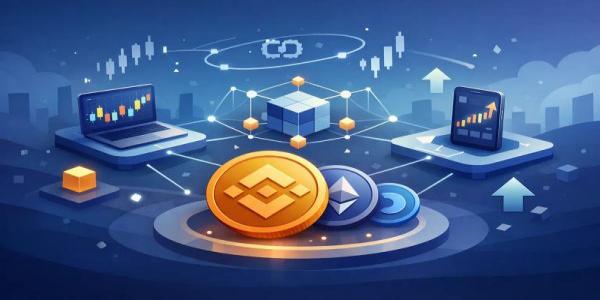
The Future of Decentralized Crypto Trading
The future of decentralized crypto trading is faster, more private, and more open. See what changes next for traders seeking freedom.
A few years ago, decentralized trading felt like a workaround. You used it because centralized exchanges were slow, restrictive, or simply unavailable when you needed them most. Now the direction is changing. The future of decentralized crypto trading is not about being a backup option - it is about becoming the default choice for traders who want speed, privacy, and direct control over their money.
That shift matters for anyone tired of waiting through approval queues, document requests, frozen withdrawals, or limited market access. Traders are moving toward platforms and systems that reduce friction between opportunity and execution. When markets move fast, access matters. When privacy matters, control matters even more.
Why the future of decentralized crypto trading looks different
The next phase of crypto trading will be shaped by a simple reality: users want fewer gatekeepers. They do not want every trade, transfer, or conversion filtered through the same compliance-heavy model that traditional finance has used for decades. They want more freedom to trade, fund accounts, move assets, and respond to price action without unnecessary delay.
That does not mean every centralized platform disappears. It means the balance of power keeps shifting toward models that give traders more independence. Decentralized trading is gaining traction because it aligns with the original promise of crypto - open access, user control, and global participation.
This change is also practical, not ideological. Retail traders are not sitting around debating infrastructure for fun. They are looking for the fastest route from intent to action. If one platform takes hours or days to verify a user, while another lets them move quickly and stay focused on trading, the choice becomes obvious.
The biggest forces driving growth
Speed is one of the clearest drivers. In crypto, timing can make or break a trade. The future belongs to systems that let users enter and exit positions quickly, convert assets without hassle, and avoid bureaucratic bottlenecks. Traders do not want to miss a setup because a platform is still reviewing documents or delaying access.
Privacy is another major force. For many users, decentralized trading is attractive because it offers a more confidential path into the market. That does not mean traders are hiding something. It means they value autonomy and do not want to surrender more personal data than necessary just to buy, sell, or swap digital assets.
Market variety will matter more as the space matures. Traders want access to more than a small list of mainstream coins. They want the freedom to explore new assets, pursue arbitrage opportunities, and rotate between markets without being boxed in by restrictive listings. The future of decentralized crypto trading will reward platforms that keep access broad and friction low.
Payment flexibility also plays a bigger role than many people expect. Traders do not all fund accounts the same way, and they do not all want the same off-ramp options. Platforms that support multiple funding methods, peer-to-peer activity, and crypto-to-fiat conversion will be better positioned than those that force every user into one rigid flow.
What traders will expect next
Decentralized trading used to come with an assumption that users had to accept clunky design, confusing interfaces, and slower execution in exchange for more control. That trade-off is getting weaker. The platforms that win the next phase will combine freedom with usability.
That means cleaner dashboards, simpler wallet interaction, easier swaps, and clearer pricing. It also means traders will expect advanced functionality without the usual complexity wall. Spot trading, peer-to-peer transactions, wallet services, binary options, and fast conversion tools are no longer separate wants for different groups. Increasingly, users expect one ecosystem that supports multiple ways to trade.
They will also expect fewer restrictions. That includes fewer arbitrary account limitations, fewer hard caps on activity, and fewer rules that block users from acting on clear market opportunities. Arbitrage-minded traders especially want the ability to move quickly between pricing gaps and liquidity pockets. If a platform slows them down, it stops being useful.
The privacy question will shape adoption
Privacy is often treated like a niche issue until more users feel their access being squeezed. Then it becomes central. As more traders experience higher onboarding friction and more surveillance-heavy exchange models, privacy-first trading becomes less of an edge case and more of a competitive advantage.
Still, there is nuance here. Privacy alone is not enough if the trading experience is poor. A platform can promise confidentiality, but if execution is slow or available assets are limited, traders will not stay. The future is not just private trading. It is private trading that still feels fast, simple, and practical.
That is where platforms built around low-friction access have room to stand out. A trader who wants anonymity, broad asset choice, and direct market entry is not looking for another institutional process with crypto branding. They are looking for a tool that respects urgency and independence.
Liquidity and trust are still the real tests
For all the excitement around decentralized models, growth will depend on whether platforms solve the fundamentals well. Liquidity matters because traders need reliable execution. Trust matters because even privacy-focused users want confidence that the platform works as promised, funds remain accessible, and pricing feels fair.
This is where the future gets interesting. Decentralized crypto trading will not grow just because users dislike centralized exchanges. It will grow if decentralized and hybrid platforms deliver a better day-to-day experience. That means tighter spreads, faster conversions, easier wallet management, and fewer interruptions between trades.
There is also an education gap, although many traders do not want a lecture. They want clarity. They want to know how to get funded, how to convert assets, how to store holdings, and how to act quickly when a setup appears. The platforms that remove confusion without slowing users down will keep the advantage.
The future of decentralized crypto trading is hybrid in practice
Pure decentralization is not always what users care about most. What they care about is freedom in practice. Can they sign up fast? Can they trade without endless verification? Can they move between crypto and fiat? Can they access a broad range of coins? Can they protect their privacy while staying active in the market?
That is why the future of decentralized crypto trading may look more hybrid than many early crypto purists expected. Traders are often less interested in philosophical labels than in outcome. They want the benefits associated with decentralized access - privacy, flexibility, and user control - delivered through a smooth trading environment that does not waste time.
For many users, that model will feel like the best of both worlds. It keeps the spirit of crypto alive while stripping away some of the friction that made early decentralized systems harder to use. The result is not less freedom. In many cases, it is more usable freedom.
What this means for active traders right now
If you are trading actively, the shift is already underway. The old model of asking permission first and trading second is losing appeal. Users want platforms that meet them with speed, not suspicion. They want broad access, not narrow menus. They want to move capital when they decide to move it.
That does not mean every trader should use the same platform or strategy. Some will prioritize anonymity above everything else. Others will care more about asset variety, wallet access, or conversion speed. It depends on how you trade and what kinds of friction slow you down most.
What is clear is that platforms built around open access are becoming more relevant, not less. For traders who value privacy, fast execution, and fewer barriers, that creates a real opportunity. A platform like Budrigan Market fits that direction by focusing on fast access, broad crypto availability, and a simpler path from funding to execution.
Where the market goes from here
The next winners in crypto trading will not be the platforms that add the most paperwork or the most polished corporate language. They will be the ones that respect the user’s time, protect flexibility, and keep access open when the market gets busy.
That is why this space is worth watching closely. The future will favor traders who choose speed without giving up control, and platforms that understand that freedom is not a slogan - it is a product decision. If you want to stay ahead, pay attention to where friction is falling. That is usually where opportunity shows up first.
Share This Post
Recent Posts
-

What Makes Peer Payments Private and Secure?
23 Sep 2026
-
Decentralized Exchange Order Book Guide
23 Sep 2026
-
Best Order Types for Beginners to Trade Smart
23 Sep 2026
-

Peer Payment Dispute Resolution Guide for Crypto
23 Sep 2026
-
Stablecoin Conversion Steps for Faster Trading
23 Sep 2026