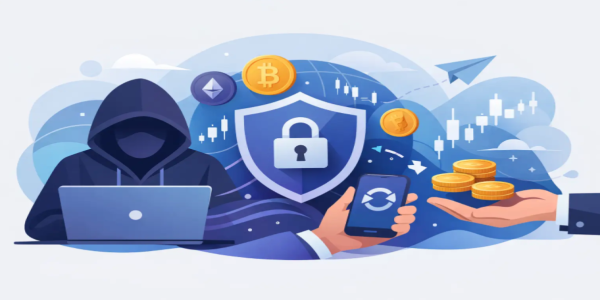
Anonymous Crypto Trading Without the Usual Friction
Anonymous crypto trading gives privacy-minded traders faster access to digital assets. Learn what stays private, what risks remain, and how to trade wisely.
A market move can be gone before a traditional exchange finishes asking for documents, selfies, and approval. For traders who value speed and personal privacy, anonymous crypto trading offers a different route: less onboarding friction, more direct access to digital assets, and greater control over when to act.
That does not mean trading without responsibility. Privacy is not the same as invisibility, and fast access is only useful when paired with smart decisions. The real opportunity is simple: use a platform and a process that let you move on your terms while understanding the risks that still come with every trade.
What Anonymous Crypto Trading Really Means
Anonymous crypto trading generally describes buying, selling, swapping, or trading crypto with limited personal information required at account setup. Instead of building a detailed profile before accessing markets, a trader may be able to create an account, fund it, and begin trading with fewer barriers.
The appeal is clear. Traditional finance often treats access as a permission process. Crypto was built around a different idea: individuals should be able to hold and transfer value directly. Privacy-focused trading brings that principle closer to the actual user experience.
Still, anonymous does not automatically mean untraceable. Public blockchain transactions can be visible on-chain, and platforms may apply security checks, transaction monitoring, or limits based on payment methods, location, market conditions, or applicable requirements. Read a platform's terms before funding an account, and never assume that privacy tools erase every record of activity.
Why Traders Choose a Lower-Friction Exchange
For many people, the issue is not avoiding accountability. It is avoiding unnecessary delays and oversharing. A trader may want to buy a coin during a market pullback, convert one asset into another, send crypto to a wallet, or complete a peer-to-peer transaction without waiting days for a review queue.
Lower-friction access can be especially useful for active market participants. Arbitrage opportunities often narrow within minutes. Volatile assets can move sharply after news, liquidations, or sudden changes in market sentiment. When execution matters, a long onboarding process can become a real trading disadvantage.
Privacy also matters to users who do not want every financial decision tied to a permanent, centralized profile. Data breaches happen. Accounts get targeted. The more information stored in one place, the more valuable that target can become. Limiting unnecessary data exposure is a practical security choice, not a niche preference.
Budrigan Market is built for this kind of trader: someone who wants access to a broad range of digital assets, wallet functionality, conversion options, and a more direct path from intent to execution.
The Benefits Are Real, but So Are the Trade-Offs
The strongest case for anonymous trading is freedom of access. You can often start faster, keep more personal information private, and trade without the institutional feel that dominates large centralized exchanges. This can make crypto more approachable for beginners and more efficient for experienced users.
But fewer barriers put more responsibility on the trader. There may be less hand-holding when a transaction is sent to the wrong address, a wallet recovery phrase is lost, or a volatile trade goes against you. Crypto transactions are usually final. There is no customer-service reversal button built into a blockchain.
Payment flexibility also depends on the platform, the asset, and the funding method. A trader should verify the available options, conversion rates, trading fees, withdrawal conditions, and processing times before committing funds. “Zero commission” on a particular transaction does not necessarily mean there is no spread, network fee, or conversion cost elsewhere in the process.
The right question is not whether privacy-focused trading is better for everyone. It is whether the platform gives you the access, assets, controls, and transparency that match the way you trade.
How to Trade Privately Without Trading Carelessly
Fast onboarding should not lead to fast mistakes. Build a simple operating routine before you chase your next opportunity.
Secure Your Wallet First
Use a strong, unique password and enable every available account security feature. If you move funds into a self-custody wallet, protect the recovery phrase offline. Do not save it in screenshots, cloud notes, email drafts, or messages to yourself. Anyone with that phrase can control the wallet.
Before sending a meaningful amount, test a new wallet address with a small transaction. Check the network carefully. Sending an asset over the wrong network can turn a quick transfer into an expensive lesson.
Know the Price You Are Actually Paying
Crypto markets move quickly, and the number on a price chart is not always the final price you receive. Review the quoted conversion amount, spread, fees, and network costs before confirming. This matters even more with smaller-cap assets or during periods of heavy market volatility.
If you are converting crypto to USD or moving between coins, compare the final amount you will receive rather than focusing only on a headline rate. A clean trading interface should make this information easy to review before execution.
Avoid the Hype Trap
Privacy and speed can give you access to more opportunities. They can also make it easier to enter bad trades quickly. A token trending across social media is not automatically a good buy. Thin liquidity, fake communities, manipulated charts, and sudden sell-offs are part of the market.
Set a maximum amount you are willing to risk before opening a position. Decide what would make you take profit, what would make you exit, and whether you are trading a short-term move or building a longer-term position. A plan does not remove risk, but it helps prevent emotion from taking over when prices spike or fall.
Keep Your Activity Organized
Private trading does not mean ignoring your own records. Keep track of purchase prices, sales, conversions, deposits, withdrawals, and transaction IDs. Personal recordkeeping helps you understand performance, spot mistakes, and prepare for any reporting obligations that may apply where you live.
Rules vary by jurisdiction and can change. It is your responsibility to understand the laws, tax treatment, and restrictions that apply to your activity. A privacy-first platform can reduce unnecessary friction, but it cannot replace personal compliance decisions.
Who Gets the Most Value From This Approach?
Anonymous crypto trading can suit several types of users. The beginner who wants to buy and hold without a complicated account-opening process may value the simpler entry point. The active trader may value faster access to price movements and a wider selection of coins. The peer-to-peer user may care most about direct transactions and flexible payment choices.
It can also appeal to traders who regularly convert between assets rather than relying solely on a bank-to-exchange workflow. If you already hold crypto and want to swap into stablecoins, rotate into a new asset, or move value between wallets, a platform designed around crypto-native activity may fit better than a conventional financial app.
That said, this approach is not ideal for someone who needs extensive investment guidance, insured bank-style protections, or a fully managed experience. Crypto rewards independence, but independence requires attention. If you are unwilling to verify addresses, review transaction details, and protect your own credentials, slow down before funding any account.
Privacy Is a Trading Advantage When You Use It Well
The future of finance should not require traders to surrender control before they can participate. Faster access, broader asset choice, and greater privacy give people more room to make their own market decisions. That freedom is valuable when it is backed by discipline.
Start with a small amount, learn the platform flow, secure your wallet, and make each transaction deliberate. The goal is not to trade recklessly in the dark. It is to trade with fewer unnecessary barriers and more control over your next move.
Share This Post
Recent Posts
-
Stablecoin Regulation Trends 2026 Explained
08 Oct 2026
-
Market Orders Versus Swaps: Know Your Trade
08 Oct 2026
-
Stablecoins Versus Bank Deposits Compared
08 Oct 2026
-
Crypto Taxes: Trade Freely, Report Clearly
08 Oct 2026
-
9 Top Wallet Security Mistakes to Stop Now
08 Oct 2026