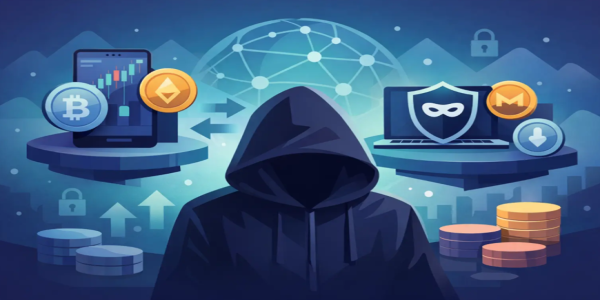
Anonymous Exchange Alternatives for Crypto Traders
Compare anonymous exchange alternatives for faster crypto access, privacy-focused trading, and smarter choices without overlooking security or local rules.
A market move does not wait for account reviews, document uploads, or a support ticket that sits unanswered for days. That is why traders look for anonymous exchange alternatives: ways to buy, swap, send, and manage crypto with less friction between a decision and an executed trade. Privacy matters, but speed, liquidity, security, and control matter just as much.
The right alternative is not simply the platform that asks for the fewest questions. It is the option that gives you practical access to the assets and payment methods you need while making the risks clear. For retail traders, P2P users, and arbitrage-minded participants, that difference can determine whether a fast trade becomes an opportunity or an expensive mistake.
What Anonymous Access Actually Means
Anonymous is often used as a catch-all term, but crypto services operate across a wide privacy spectrum. Some platforms let users explore markets, hold a wallet, or exchange limited amounts of crypto with minimal personal information. Others may request verification after certain transaction volumes, payment methods, jurisdictions, or risk signals. Decentralized protocols can let users connect a self-custodied wallet without creating a conventional account, although blockchain transactions themselves may remain publicly visible.
In other words, low-friction access does not mean invisible activity. Most public blockchain transfers leave a permanent record that can be viewed through transaction data. Privacy comes from limiting unnecessary personal data collection, using secure wallet practices, and choosing tools that fit your actual purpose. It should never mean ignoring applicable laws, tax responsibilities, or platform rules.
For many traders, the real goal is straightforward: reduce unnecessary barriers without giving up the ability to move quickly. That is a smarter standard than chasing a promise of total anonymity.
Anonymous Exchange Alternatives That Fit Different Trades
There is no single best route for every trader. A quick crypto-to-crypto conversion, a cash-funded P2P purchase, and a multi-asset arbitrage strategy all demand different tools. Start with the transaction you want to make, then assess the access model behind it.
Peer-to-peer marketplaces
P2P marketplaces connect buyers and sellers directly, often with flexible payment options and negotiated pricing. They can be useful when traditional funding rails are slow, when a trader wants more payment choice, or when local market demand creates a pricing advantage.
The trade-off is counterparty risk. Use escrow where available, confirm payment details carefully, and keep all communication and settlement activity inside the platform’s defined process. A seller offering an unusually attractive rate may be offering a real opportunity, but it can also be trying to pull you outside the protections that make P2P trading workable.
P2P works best for users who are willing to verify the terms of each trade rather than treating every listing like an instant exchange order.
Decentralized exchanges and wallet swaps
Decentralized exchanges let traders swap supported assets from a self-custodied wallet. There is no traditional centralized order desk controlling your wallet balance, and access can be faster than opening an account on a conventional exchange. For users who value direct custody and crypto-to-crypto flexibility, this model can be a strong alternative.
The trade-off is execution. Token liquidity can vary sharply, and a low-liquidity pool can turn a seemingly small swap into a poor fill. Network fees, slippage, fake token contracts, and wallet approval requests all require attention. Before confirming a transaction, check the asset contract, expected output, price impact, and network cost. A transaction that cannot be reversed deserves more scrutiny than a standard checkout screen.
Decentralized trading is powerful when you understand wallet responsibility. If you lose your recovery phrase or approve a malicious wallet request, there may be no customer service route to restore access.
Instant conversion platforms
Conversion-focused platforms offer a simpler path for users who want to move between crypto assets or between crypto and fiat-denominated value without studying an order book. This can suit beginners, active users managing several coins, and traders who care more about speed and clarity than advanced order types.
Compare the quoted rate with the broader market price before you confirm. A platform can advertise low commissions while the effective spread changes the real cost of the conversion. That does not automatically make it a bad option. Paying a reasonable spread may be worthwhile when speed, convenience, and available funding methods are more valuable to you than chasing the tightest possible price.
Self-custody wallets paired with trading access
Some traders prefer to separate storage from trading. They keep long-term holdings in a self-custodied wallet and move only the amount needed for a swap, P2P trade, or market opportunity. This approach limits the funds exposed to a single platform and puts wallet control in the user’s hands.
It also creates more operational work. Sending assets to the wrong network, losing recovery information, or failing to test a new address with a small transaction can cost far more than any exchange fee. Independence works when it is paired with disciplined habits.
The Trade-Offs That Matter More Than Signup Speed
Fast access is valuable, but it should not be the only criterion. The strongest anonymous exchange alternatives are built around transparent conditions, not vague claims. Before moving funds, look at how the platform handles pricing, withdrawals, wallet custody, transaction limits, customer support, and security alerts.
Liquidity is one of the first checks. A platform may list hundreds of assets, but a listed coin is not automatically easy to trade at a fair price. Look for realistic market depth, predictable conversion quotes, and the ability to withdraw the asset you receive. If an asset cannot move when you need it to move, it is not providing real trading freedom.
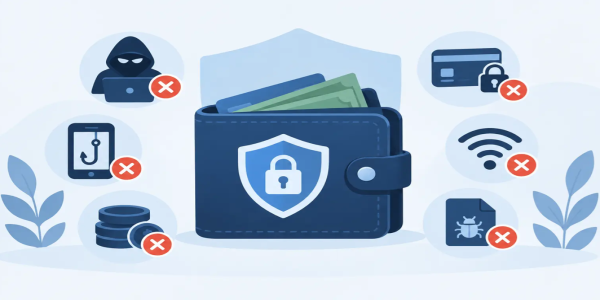
Security deserves equal attention. Enable every available account protection feature, use a unique password, and never share seed phrases, private keys, backup codes, or one-time login codes. Treat unsolicited messages, urgent payment requests, and guaranteed-profit pitches as warning signs. Privacy-focused access should never require you to surrender control of your wallet credentials.
Regulatory expectations also vary by location and transaction type. A service may apply verification requirements in certain circumstances, and users are responsible for understanding the rules that apply to them. A platform that communicates its process clearly gives you a better basis for deciding whether it fits your needs.
A Better Way to Choose a Platform
Start with the job. If you need a quick swap between established crypto assets, prioritize available pairs, quoted price, network support, and wallet compatibility. If you want P2P access, prioritize escrow, seller history, payment protections, and clear dispute procedures. If you are looking for long-term holdings, custody controls and withdrawal reliability should carry more weight than a flashy trading interface.
Then test the experience before committing meaningful capital. Review the deposit and withdrawal process, check the expected network, and use a small transaction to confirm that the route works as expected. This is not hesitation. It is how traders protect capital while keeping their options open.
Finally, calculate the full cost of access. Include spreads, trading fees, network charges, payment processing fees, and potential price movement during the transaction. The cheapest-looking route is not always the most efficient route. A faster, dependable conversion can be worth more than a lower fee that leaves you waiting through a missed market window.
Access Should Create Opportunity, Not Confusion
Platforms such as Budrigan Market appeal to users who want a direct path into crypto trading, P2P activity, wallet access, and a broad selection of digital assets without the slow, institutional feel of mainstream exchanges. That model can be compelling for traders who value autonomy and fast execution, provided they still assess the platform’s current terms, security controls, and availability in their location.
The future of finance is not about accepting more friction just because it has become normal. It is about choosing access that respects your time, gives you meaningful control, and helps you act when the market is moving. Keep your wallet secure, understand every transaction before confirming it, and choose the route that supports your next move with confidence.
Share This Post
Recent Posts
-
Stablecoin Regulation Trends 2026 Explained
08 Oct 2026
-

Market Orders Versus Swaps: Know Your Trade
08 Oct 2026
-
Stablecoins Versus Bank Deposits Compared
08 Oct 2026
-
Crypto Taxes: Trade Freely, Report Clearly
08 Oct 2026
-
9 Top Wallet Security Mistakes to Stop Now
08 Oct 2026