Crypto Privacy: Control More Than Your Balance
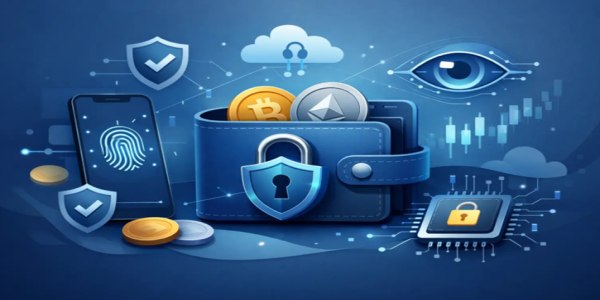
Crypto privacy helps protect your transaction data, wallet habits, and financial choices while you trade, transfer, and store digital assets with care.
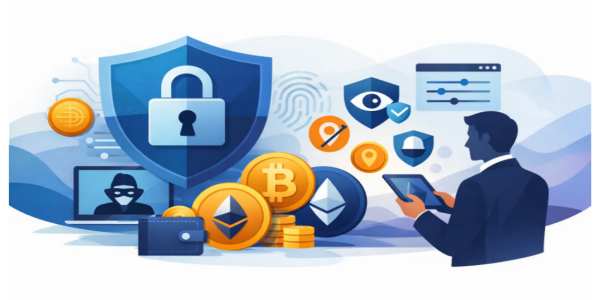
Every crypto transaction can reveal more than a number on a screen. It can expose wallet activity, trading patterns, token balances, and connections between addresses. Crypto privacy is about taking back control of that information so your financial activity is not automatically an open book.
For traders who value speed, independence, and unrestricted access, privacy is not a side feature. It is part of owning your assets. The goal is not to hide from lawful responsibilities. The goal is to reduce unnecessary exposure, make informed choices, and trade with greater confidence.
What Crypto Privacy Really Means
Crypto privacy is the ability to limit who can see, connect, and interpret your on-chain and off-chain financial activity. This includes the addresses you use, the coins you hold, the counterparties you transact with, and the personal details attached to an account.
Many people assume crypto is anonymous because wallet addresses do not display a name. That is only partly true. Major public blockchains are transparent by design. Anyone can view transactions, balances, and the movement of funds between addresses. Once an address is connected to your identity through an exchange account, public post, purchase, or payment, past and future activity may become easier to trace.
That does not make public blockchains useless. Transparency can improve verification and reduce certain types of fraud. But it does mean that privacy requires intentional habits. A public address should be treated more like a permanent transaction record than a private bank account.
Why Privacy Matters to Everyday Traders
Financial privacy is practical. It can help protect you from targeted scams, phishing attempts, unwanted attention, and assumptions about your holdings. A trader with visible wallet balances may become a more attractive target for criminals, impersonators, or social-engineering attacks.
Privacy also protects your strategy. If every transfer, conversion, or accumulation pattern is easily linked to you, other market participants may be able to observe how you operate. For active traders and arbitrage-minded users, that information has value.
There is also a principle at stake. People do not usually publish their bank statements, card purchases, or savings balances for strangers to inspect. Crypto users deserve the ability to make sensible decisions about how much financial information they reveal.
Privacy is not the same as secrecy for its own sake. It is about choosing what you share, when you share it, and with whom.
The Trade-Off: Privacy, Access, and Responsibility
More privacy does not mean zero responsibility. Tax rules, financial regulations, and legal obligations can apply to crypto activity depending on where you live and how you use digital assets. Privacy tools should never be used to evade lawful reporting requirements, facilitate fraud, or move illicit funds.
The practical question is not whether privacy is good or bad. It is how to protect your information without creating unnecessary risk. Some services collect extensive personal data and make access slow. Others prioritize a lower-friction experience. Each approach has trade-offs involving convenience, account recovery, regulatory obligations, and the information you choose to provide.
Before using any platform, understand its terms, available protections, supported regions, fees, and security practices. Never let the promise of anonymity replace basic due diligence. Financial freedom works best when it is paired with personal discipline.
How to Improve Crypto Privacy Without Overcomplicating It
You do not need to be a blockchain expert to make smarter privacy choices. Start with the actions that reduce exposure while keeping your trading experience simple.
Use Separate Wallets for Separate Purposes
Keeping all activity in one wallet can make your financial life easy to map. Consider using separate wallets for long-term holdings, active trading, routine payments, and experimental assets. This will not make activity invisible, but it can reduce the amount of information tied to one address.
Be organized. Record wallet purposes securely, protect recovery phrases offline, and avoid creating a setup so complicated that you lose access to your own funds.
Do Not Reuse Public Addresses Carelessly
Reusing the same address for every payment, donation, sale, or transfer makes it easier for others to connect your transactions. Where your wallet supports it, use fresh receiving addresses. This is a straightforward habit that can meaningfully reduce public visibility over time.
Also think before posting any wallet address online. A public address shared for convenience can become a lasting window into your transaction history.
Protect the Information Around the Transaction
Privacy is not only about the blockchain. It is also about your email address, phone number, device, browser habits, social accounts, screenshots, and messages. A secure wallet can still be compromised if a scammer tricks you into sharing a seed phrase or signing a harmful transaction.
Use strong, unique passwords and two-factor authentication where available. Keep wallet recovery phrases offline and never enter them into a website, form, chat, or direct message. Legitimate support teams do not need your seed phrase.
Be Selective About Platform Data
Every trading platform has a different approach to onboarding and account information. If you want lower-friction access, review what data is requested, why it is collected, and how the platform handles account security.
Budrigan Market is built for users who want immediate access to digital asset trading, peer-to-peer transactions, conversions, and wallet functionality without the traditional exchange experience slowing every step. That can appeal to traders who prioritize access and autonomy, but users should still protect their credentials, verify transaction details, and keep records required for their circumstances.
Watch for Metadata Leaks
A transaction may be public, but the details around it can reveal even more. Avoid sharing screenshots that show wallet balances, addresses, QR codes, transaction IDs, or account emails. Be cautious when discussing your holdings in public communities. Bragging about a win can invite the wrong kind of attention.
The same applies to unsolicited messages. If someone claims to offer recovery services, insider opportunities, support help, or guaranteed returns, assume they may be trying to exploit your interest in crypto. Verify independently before taking action.
Privacy Coins and Private Transactions: Know the Difference
Some digital assets are designed with enhanced privacy features that may obscure transaction amounts, sender information, receiver information, or all three. Others operate on transparent chains but offer privacy through better wallet habits and thoughtful transaction management.
Neither approach is automatically right for every user. Privacy-focused assets can offer stronger confidentiality, but availability may vary by platform and jurisdiction. They may also require users to understand different technical models, liquidity conditions, and transfer rules.
For many traders, the strongest starting point is not chasing a complex tool. It is improving the basics: secure wallets, less address reuse, careful sharing, and a clear understanding of what public blockchain data can reveal.
Crypto Privacy Is Also About Self-Custody
Holding crypto in a wallet you control can give you more direct authority over your assets and transaction choices. It also places more responsibility in your hands. If you lose your recovery phrase, send funds to the wrong address, or approve a malicious transaction, there may be no customer service desk capable of reversing it.
That is the real exchange for greater independence. You gain control, but you must build your own safeguards. Back up recovery information securely, test small transfers before moving large amounts, and verify addresses character by character when necessary.
For active trading balances, convenience may matter more than full self-custody. For long-term holdings, direct wallet control may be a better fit. It depends on your goals, your experience, and how much operational responsibility you are ready to manage.
Make Privacy Part of Your Trading Routine
The strongest privacy strategy is the one you can follow consistently. Before every transaction, pause for a few seconds: Is this the right address? Does this wallet reveal more than necessary? Am I sharing information that could expose my holdings? Is this platform or counterparty legitimate?
Those small checks can prevent expensive mistakes. Privacy is not a switch you turn on once. It is a habit that protects your choices as you buy, trade, convert, and store digital assets.
Your financial future should not depend on giving away more information than a transaction requires. Trade with awareness, secure what you control, and make every move on your terms.
Share This Post
Recent Posts
-
When Are Blockchain Fees Lowest? A Trader Guide
24 Aug 2026
-

An Example of Crypto Arbitrage Execution
24 Aug 2026
-
Crypto Conversion Fee Savings Example: Save More
24 Aug 2026
-

7 Exchange Alternatives for More Trading Freedom
21 Aug 2026
-