
How to Document Crypto Trades Without Slowing Down
Learn how to document crypto trades with a fast, private recordkeeping system that tracks cost basis, fees, transfers, and your trading decisions clearly.
A fast trade can take seconds. Reconstructing it months later can take hours. Knowing how to document crypto trades gives you a clean view of your performance, helps you separate transfers from taxable events, and keeps your trading activity organized without turning every move into a paperwork project.
Privacy and good records can coexist. You do not need to publish your wallet activity or hand over more personal information than necessary to build a useful trading log. You need a consistent system that captures what happened, when it happened, what it cost, and why you made the move.
Why crypto trade documentation matters
Crypto markets move quickly, especially when you trade several assets, use more than one wallet, convert into stablecoins, or take peer-to-peer opportunities. A wallet balance alone does not tell the full story. It cannot always show your original cost, the fee paid, the platform used, or whether an incoming transaction was a purchase, a transfer, or payment.
Good records give you control. They show whether a strategy is actually working instead of merely feeling profitable during a strong market. They also make it easier to calculate gains and losses, review execution quality, and prepare records if a tax professional or local reporting rule requires them.
The right level of detail depends on how you trade. A long-term holder may only need records for occasional purchases, sales, and transfers. An active trader, arbitrage participant, or P2P user needs a tighter process because transaction volume compounds quickly.
How to document crypto trades from the first transaction
Start the same day you trade. Waiting until year-end creates gaps, forgotten fees, and transactions that are difficult to classify. Your system can be a spreadsheet, a dedicated portfolio tracker, export files from trading platforms, or a combination of all three. What matters is that it stays accurate and that you can retrieve the source information later.
For each completed trade, record the date and time, the asset sent, the asset received, the quantity of each asset, and the value in U.S. dollars at the time of the transaction. Add the trading fee, network fee when applicable, platform or wallet used, transaction ID, and a short note describing the purpose of the trade.
That note is more valuable than it looks. “Moved BTC to personal wallet” is very different from “sold BTC for USDT after target reached.” The first is generally an internal transfer between wallets you control. The second is a disposal of one asset for another and may have reporting consequences. Clear labels prevent you from treating every wallet movement as a new purchase or sale.
Track cost basis before you need it
Cost basis is generally what you paid to acquire an asset, adjusted for relevant fees. It is the starting point for measuring gains or losses when you sell, swap, spend, or otherwise dispose of that asset. If you purchase 0.1 BTC for $6,000 and pay a $15 fee, your records should preserve the full acquisition cost and the amount received.
This becomes more complex when you buy the same asset at different prices over time. Keep each acquisition lot identifiable. Record the acquisition date, amount, cost, and wallet location. When you later sell or swap, document which lot was used according to the accounting method you and your tax adviser apply.
Do not guess based on your current balance. A balance tells you how much you have. A cost-basis record tells you what it cost and where it came from.
Treat swaps as real trading activity
Converting ETH to USDC, BTC to SOL, or one altcoin to another can be quick and convenient, but it still deserves a complete record. Write down the fair market value of what you gave up, the value of what you received, the exchange rate, and every fee attached to the swap.
Stablecoins should not be ignored just because their price often stays close to one dollar. Moving into a stablecoin can be an intentional way to preserve buying power after a profitable position. Your notes should show that decision so your performance review reflects the strategy behind the trade, not just the assets involved.
Separate trades, transfers, and income
A simple classification system keeps your records useful. Mark every transaction as a purchase, sale, swap, transfer in, transfer out, fee, payment received, reward, or other income. If you make peer-to-peer trades, add a label for the payment method and counterparty reference without storing unnecessary sensitive details.
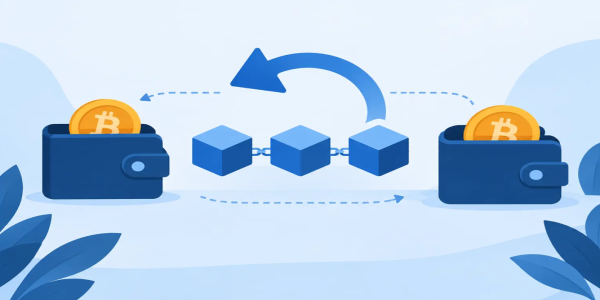
Transfers are where many traders create avoidable confusion. Sending crypto from an exchange wallet to a self-custody wallet does not automatically mean you sold it. If both addresses are under your control, record the sending transaction, receiving transaction, network fee, and wallet names. Then reconcile the amounts. This makes it easier to spot a missing deposit or a fee deducted during the move.
Income needs its own category. Mining rewards, staking rewards, referral rewards, airdrops, and crypto received for work may be treated differently from a simple trade depending on your circumstances and applicable rules. Preserve the date received, amount, dollar value, source, and any supporting confirmation. When the activity is substantial, get advice from a qualified tax professional who understands digital assets.
Build a private, repeatable recordkeeping routine
The goal is not to spend your day filling out a ledger. Create a routine that fits your pace. Active traders may reconcile each session or each week. Investors with fewer transactions may set aside time at the end of every month. Consistency beats a complicated system you abandon after two weeks.
Use a master record with transaction IDs and wallet labels rather than copying sensitive account details into multiple files. Protect your records with strong passwords, encrypted storage where available, and backups you control. Never place seed phrases, private keys, recovery codes, or full payment credentials in a trade log. Documentation should improve your control, not create a new security risk.
If you trade through a platform such as Budrigan Market, save available trade confirmations and account history periodically. Exportable history can be useful, but do not rely on one platform to preserve every record forever. Keep your own copy and make sure your personal ledger matches what your wallet activity shows.
Add the decision behind the trade
Numbers explain the result. A short journal explains the decision. Before or immediately after a trade, write one sentence about the setup: breakout entry, range trade, conversion for a P2P purchase, arbitrage spread, risk reduction, or long-term accumulation.
Then record the plan. What price would invalidate the idea? Where would you take profit? How much capital were you willing to risk? This is especially useful in binary trading and fast-moving spot positions, where emotional decisions can blur the original reason for entering.
Over time, your journal reveals patterns that charts cannot. You may find that your best trades happen when you wait for confirmation, or that a certain coin, time of day, or funding method consistently leads to rushed decisions. That is actionable information. It helps turn activity into a strategy.
Reconcile regularly and fix errors early
At the end of each review period, compare your trade log with wallet balances, transaction IDs, and platform history. Look for duplicate entries, missing network fees, transfers recorded as sales, and asset quantities that do not match. Small errors can compound across dozens of conversions.
When a transaction is unclear, flag it instead of inventing an answer. Save screenshots of confirmations, relevant chat records for P2P activity, and the transaction hash. A marked item is easier to resolve later than a confident but incorrect entry.
Be especially careful with failed, partial, or pending transactions. A trade that appears to have failed may still produce a network fee. A partially filled order may involve several execution prices. Record what actually settled, not simply what you intended to happen.
Keep the system working for you
Freedom in crypto means being able to act when opportunity appears. It also means knowing where your assets came from, what you paid, and how each decision performed. Documentation is not bureaucracy for its own sake. It is a private operating system for your trading life.
Start with your next transaction, not a perfect reconstruction of every past move. Capture the details, label the purpose, protect the record, and review it on a schedule. Each clean entry gives you more clarity, more confidence, and more control over the opportunities you choose to take.
Share This Post
Recent Posts
-

-

Tokenization Trends 2026: What Traders Can Use
09 Nov 2026
-

-
-

Practical Guide to Investor Risk Tolerance
07 Nov 2026