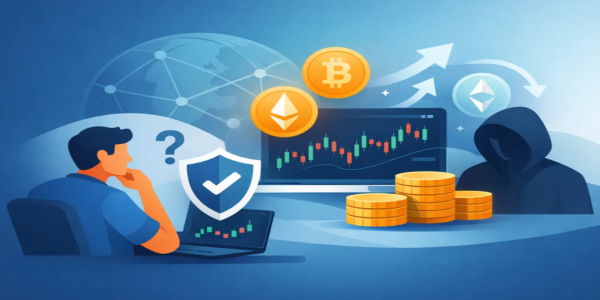
Is No Verification Crypto Trading Safe for You?
Is no verification crypto trading safe? Understand privacy, platform risk, custody, and practical steps for trading with confidence and control today.
A trade can be confirmed in seconds, while a careless platform choice can create a problem that lasts far longer. So, is no verification crypto trading safe? It can be, but safety does not come from skipping document uploads. It comes from understanding what you are trading, who controls the assets, how the platform handles risk, and what you do before sending funds.
For traders who are tired of long approval queues and unnecessary personal-data requests, no-verification access offers a real advantage: speed. You can act when the market moves, protect more of your privacy, and avoid turning a simple crypto transaction into a lengthy banking-style application. That freedom works best when it is paired with discipline.
Is No Verification Crypto Trading Safe in Practice?
No-verification crypto trading is not automatically safe or unsafe. It is a different trading environment with different trade-offs. Traditional exchanges may use identity checks, account monitoring, and strict transaction rules to reduce certain kinds of fraud. Those same systems can also delay access, restrict activity, and collect sensitive information that privacy-minded traders would rather not share.
A no-verification platform removes some of that friction. It can make it easier to buy, sell, convert, or send crypto without waiting for a compliance review. But it also puts more responsibility in your hands. You need to verify the platform's operating standards, secure your own wallet access, and treat every transaction as final unless the platform explicitly provides another process.
The safest approach is not to assume anonymity equals protection. Privacy protects your personal information. Security protects your assets. Strong traders look for both.
Where the Real Risks Come From
The biggest risk in crypto is rarely the lack of a government ID check by itself. More often, losses happen because a trader sends funds to an impersonator, uses an untested platform, leaves assets exposed, or follows a fake support message.
Start with the platform. A credible trading service should make its trading process, fees, available assets, and wallet functionality understandable before you fund an account. Watch for vague claims, pressure to deposit immediately, promises of guaranteed profits, or support agents who contact you through unsolicited messages. No legitimate trading opportunity needs you to surrender your recovery phrase or private keys.
Custody is the next question. If crypto sits in a platform wallet, the platform may control the keys. That can be convenient for active trading, conversions, and quick market execution. It also means you should understand withdrawal access, wallet protections, and how much capital you are comfortable keeping on an exchange at one time. For longer-term holdings, many traders prefer moving assets to a wallet they control.
Market risk remains, too. Bitcoin, altcoins, stablecoins, and binary-style products can all carry different levels of volatility and loss exposure. Fast access is valuable, but it should not turn a quick decision into an unplanned position. Use a size you can afford to lose, know your entry and exit idea before you trade, and avoid chasing a sudden price move simply because the account setup was easy.
Privacy Has Value, but It Is Not a Free Pass
There are legitimate reasons to prefer less intrusive onboarding. Data breaches happen. Identity documents are sensitive. Many traders simply believe financial privacy should not require handing over more information than a transaction needs.
Still, private access does not cancel your responsibility to follow the laws and tax rules that apply where you live. Crypto activity may create reporting obligations, and rules can vary by location, transaction type, and source of funds. Keep clear records of purchases, sales, conversions, transfers, and any gains or losses. Privacy and personal accountability can exist together.
It also helps to separate privacy from secrecy. A privacy-first trader protects personal data, uses secure devices, and limits unnecessary exposure. A reckless trader assumes that fewer checks mean there are no consequences for poor judgment. Those are not the same thing.
A Smarter Way to Trade Without Verification
Treat your first transaction as a test, not a full commitment. Deposit a small amount, make a small trade or conversion, and test the withdrawal process. This gives you a practical view of the platform experience before you commit meaningful capital.
Before funding any account, complete this short security check:
- Confirm you are using the official platform address and not a copied or lookalike site.
- Create a unique, long password and enable every available account security feature.
- Never share a seed phrase, private key, password, or one-time security code with anyone.
- Review trading fees, conversion spreads, withdrawal conditions, and network fees before placing an order.
- Use a small test transfer when sending crypto to a new wallet address or payment counterparty.
These steps are basic, but they prevent many of the mistakes that cost traders money. Crypto transfers are designed for direct ownership and speed. The trade-off is that a wrong address, compromised account, or rushed decision may not be reversible.
Choosing a Platform That Supports Control
The right no-verification exchange should give you more than fast sign-up. It should support practical control over your trading activity. That includes access to the assets you want, clear conversion options, straightforward wallet tools, and a process that does not make every trade feel like a request for permission.
For some users, peer-to-peer activity matters most because it creates more payment flexibility. For others, spot trading, crypto-to-crypto conversions, or access to a broader range of coins is the priority. Active traders may care about execution speed and freedom to move between opportunities. Newer users may care more about a clean interface and simple wallet access.
Budrigan Market is built for traders who want fewer barriers between intent and execution, with access to crypto trading, conversions, wallets, and a wide selection of digital assets without document-heavy onboarding. But even on a low-friction platform, your trading habits remain your first line of defense. The platform can reduce the friction. Only you can reduce impulsive decisions.
When No-Verification Trading May Not Be the Best Fit
No-verification trading is not the right choice for every situation. If you need institutional-grade reporting, are managing funds for other people, require specific regulatory documentation, or want a service to apply stricter account controls, a traditional verified exchange may fit your needs better.
It may also be a poor fit if you are new to wallets and do not yet understand transaction confirmations, blockchain networks, or address formats. That does not mean you need to avoid crypto. It means you should start slowly, learn the basics, and use small amounts while you build confidence.
The strongest case for no-verification access is for traders who value privacy and speed, understand the risks, and want to take direct responsibility for their activity. It offers more autonomy, not less need for judgment.
The Bottom Line on Trading Safely
No-verification crypto trading can be safe when you choose carefully, secure your account, test your transfers, and manage risk with intention. It is not safe when privacy becomes an excuse to ignore platform research, wallet security, or basic trading discipline.
Your financial freedom is strengthened by control, not blind trust. Start with a small, deliberate move, protect your access, and trade only when you understand the transaction in front of you.
Share This Post
Recent Posts
-
Example of P2P Crypto Sale Step by Step
23 Jul 2026
-
Top Crypto Pairs for Spot Trading in 2026
23 Jul 2026
-
-
How to Compare Crypto Spreads Before You Trade
23 Jul 2026
-

7 Best Altcoins for Active Traders to Watch
12 Jul 2026