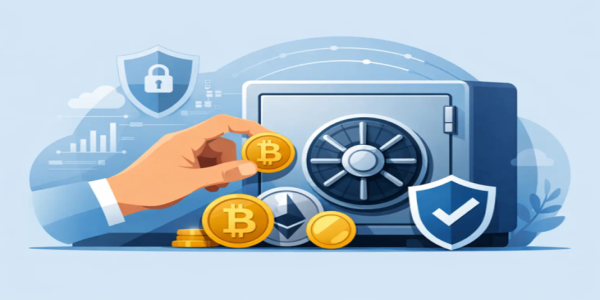
Secure Crypto Custody Keeps Your Coins in Reach
Secure crypto custody puts you in control. Learn how wallets, keys, backups, and trading habits can protect access to your digital assets during trades.
A winning trade can turn into a permanent loss if someone else gets your keys, tricks you into signing a malicious transaction, or you lose the only backup to your wallet. Secure crypto custody is how you keep control of the assets you worked to acquire - without creating so much friction that you miss the market moves that matter.
For traders who value privacy, speed, and financial independence, custody is not a technical afterthought. It is the line between having crypto on a screen and actually controlling it. Trade freely, move funds when opportunity appears, and build a setup that does not rely on one password, one device, or one company staying available forever.
What Secure Crypto Custody Really Means
Crypto custody is the way private keys or signing authority are created, stored, and used. A private key is the credential that proves you can authorize movement of funds on a blockchain. Whoever controls it controls the crypto. There is no bank manager to call and no chargeback button once a confirmed transaction leaves your wallet.
That creates a real choice. You can let a platform hold assets for you, manage your own wallet, or use a combination of both. None of these options is automatically right for every person. The strongest approach depends on how often you trade, how much you hold, your comfort with responsibility, and how quickly you need funds available.
The goal is simple: reduce the chance that a single mistake, compromised device, phishing message, or platform incident can take everything at once.
Choose Custody Based on How You Trade
Keeping every dollar in one place may feel convenient, but convenience is not a security strategy. Divide funds according to their job.
Platform custody for active trading
Assets held in a trading account are ready when you want to buy, sell, convert, or pursue an arbitrage opportunity. This can be practical for a working balance - the amount you are genuinely prepared to trade in the near term. It avoids repeated transfers and can make fast execution easier.
The trade-off is counterparty exposure. You are trusting the platform's account protections, operations, and withdrawal process. Use a unique password, enable every available account security control, and treat any account you leave logged in on a shared device as exposed.
A trading platform can help you access markets quickly, but it should not replace a personal custody plan for holdings you do not need to move today.
Self-custody for long-term control
With self-custody, you hold the recovery phrase and control the keys yourself. A software wallet can be useful for everyday transfers, while a hardware wallet keeps signing keys separate from an internet-connected phone or computer.
Self-custody gives you direct control and reduces reliance on a centralized intermediary. It also makes you responsible for every detail. Lose the recovery phrase, share it with the wrong person, or approve a harmful transaction, and there may be no recovery path.
For larger balances or long-term positions, hardware-backed self-custody is often worth the extra step. For a small spending or trading wallet, a carefully secured software wallet may be enough. The point is not to chase a perfect setup. It is to match the protection level to the amount at risk.
A two-wallet approach that keeps you flexible
Many independent traders use two or three separate wallets. One wallet holds long-term assets. Another contains an active trading balance. A third, smaller wallet is used to connect with new decentralized applications, test token claims, or interact with unfamiliar smart contracts.
This separation limits blast radius. If a high-risk wallet is compromised, your core holdings are not automatically exposed. It also helps you make better decisions because you are not constantly putting a long-term stack at risk for a short-term opportunity.
Protect the Recovery Phrase Like the Asset It Is
Your recovery phrase is not a backup password. It is the master key to your wallet. Anyone who has it can generally recreate the wallet on another device and move funds without your approval.
Never enter a recovery phrase into a website, a chat window, a form, or a message claiming to be support. Legitimate wallet providers and trading platforms do not need your phrase to help with a deposit, withdrawal, account question, or technical issue. A request for those words is a red flag, not customer service.
Write the phrase down offline and store it somewhere private, durable, and protected from theft, fire, and water damage. Do not save it in screenshots, cloud notes, email drafts, or plain text files. Those shortcuts are easy to search, copy, and steal.
For meaningful holdings, consider keeping duplicate offline backups in separate secure locations. Be deliberate about who could find them. A backup that is too hidden to recover is not useful. A backup left in plain sight is not secure.
Secure the Devices That Touch Your Crypto
Your wallet is only as safe as the device and habits around it. A stolen password, malicious browser extension, or compromised phone can lead to a costly approval before you realize anything is wrong.
Start with a clean foundation: keep your operating system, browser, wallet app, and security software current. Use a strong, unique password for every exchange and wallet-related account. A password manager makes this easier and reduces the temptation to reuse credentials.
Add two-factor authentication wherever it is offered. An authenticator app is generally safer than text-message codes, since phone numbers can be targeted through SIM-swapping scams. Protect your email account with the same seriousness as your trading account. If someone controls your email, they may be able to reset access elsewhere.
Be equally selective with browser extensions and mobile apps. Download only from official sources, review permissions, and remove tools you no longer use. Free trading signals, fake wallet updates, and copycat applications often exist to capture passwords, seed phrases, or transaction approvals.
Verify Every Transaction Before You Sign
Speed matters in crypto, but blind speed is expensive. Before sending funds, check the full receiving address, the network, the token, and the amount. A correct address on the wrong network can still create a problem. When moving a large amount to a new address, send a small test transaction first.
When connecting a wallet to a decentralized app, read the approval request. Some requests only permit a single action. Others may grant a contract broad authority to spend a token. If the request is unclear, excessive, or different from what you expected, reject it.
Scammers rely on urgency. They create messages about frozen accounts, limited-time airdrops, support tickets, or surprise bonuses because they want you to act before you verify. Slow down for sixty seconds. Open the platform or wallet through your own saved method rather than through a message. That one habit can stop most phishing attempts.
Build a Recovery Plan Before You Need One
Good custody is not only about preventing loss. It is also about knowing what to do when something looks wrong. Keep a simple, offline record of which wallets exist, where backups are stored, and which accounts use which security methods. Do not put recovery phrases in this record.
If you suspect a compromise, move remaining funds to a new wallet created on a clean device. Change passwords from that clean device, revoke unnecessary token approvals, and review connected apps. If a trading account may be affected, secure the email attached to it first, then reset account credentials and contact the platform through its official support channel.
Do not wait for certainty. Crypto transactions settle quickly, and hesitation can cost more than a cautious response.
Keep Freedom Without Leaving Security Behind
Fast access and personal control can work together. Keep a purposeful trading balance available, protect your long-term holdings with stronger self-custody, and avoid mixing experimental activity with the assets you cannot afford to lose. Whether you trade through Budrigan Market or another venue, your best edge is knowing exactly where your crypto is, who controls it, and what it would take to move it safely.
Financial freedom starts with access, but it lasts through ownership. Set up your custody habits now, while the market is calm, so you can act with confidence when the next opportunity arrives.
Share This Post
Recent Posts
-
Stablecoin Regulation Trends 2026 Explained
08 Oct 2026
-

Market Orders Versus Swaps: Know Your Trade
08 Oct 2026
-
Stablecoins Versus Bank Deposits Compared
08 Oct 2026
-

Crypto Taxes: Trade Freely, Report Clearly
08 Oct 2026
-
9 Top Wallet Security Mistakes to Stop Now
08 Oct 2026