Stablecoin Conversion Steps for Faster Trading
Learn stablecoin conversion steps that help you check rates, choose networks, manage fees, and move from cash or crypto into trading-ready value quickly.
A market move can happen while funds are still waiting to settle. That is why stablecoin conversion steps matter: they turn cash or volatile crypto into a dollar-pegged trading balance you can use when the opportunity is live. The process is simple when you know what to check before confirming, especially the asset, network, rate, and final amount.
Stablecoins are designed to track a reference value, commonly the US dollar. Traders use them to move between positions without repeatedly exiting to a bank account, hold value while deciding on their next trade, or transfer funds between wallets and platforms. A stablecoin is not identical to cash, though. Its price can vary slightly, issuers and reserves differ, and every blockchain network has its own rules and costs.
Stablecoin Conversion Steps That Put You in Control
Start with a clear destination. Are you converting USD into a stablecoin to buy another asset? Swapping Bitcoin or Ethereum into stablecoin value after a profitable trade? Or moving stablecoins to a personal wallet? Your goal determines the pair, payment method, and network that make sense.
1. Choose the stablecoin and conversion pair
Select the asset you want to receive first. USDT, USDC, and DAI are common examples, but they are not interchangeable just because each may trade near one dollar. They can have different availability, liquidity, redemption structures, and supported networks.
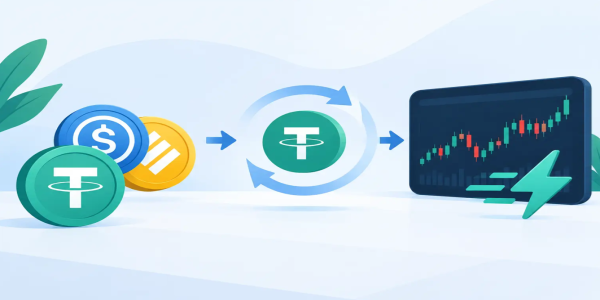
Then choose the conversion pair. If you hold BTC and want USDT, use the BTC/USDT market or conversion option. If you are funding from dollars, choose the available USD-to-stablecoin route. A direct pair is often easier than making multiple swaps, because every extra transaction can introduce another fee, spread, and price change.
For active traders, liquidity matters. A widely traded pair generally provides a tighter difference between the quoted buy and sell prices. Smaller stablecoins or thinly traded markets can look attractive until the final execution price tells a different story.
2. Pick the right network before you send anything
This is the step that deserves your full attention. The same stablecoin ticker can exist on several blockchains, such as Ethereum, Tron, Solana, Polygon, or BNB Smart Chain. USDT on one network is not automatically compatible with a wallet address or deposit route intended for USDT on another.
Match the sending network exactly to the receiving network. If the deposit screen says USDC on Solana, send USDC through Solana. Do not assume that an address format alone confirms compatibility. A wrong-network transfer can be difficult or impossible to recover.
Network selection is a trade-off. Ethereum may offer broad ecosystem support but can carry higher fees when activity is heavy. Other networks may confirm faster or cost less, but the receiving platform, wallet, or counterparty must support them. Choose the route that balances speed, cost, and destination compatibility.
3. Review the live quote, spread, and fees
Before you confirm, look beyond the headline exchange rate. A conversion quote should show how much you are sending, how much stablecoin you will receive, and any applicable platform or network charges. With an instant conversion, the quoted result may include the spread instead of displaying a separate trading fee.
For example, converting $1,000 worth of crypto does not always produce exactly 1,000 units of a dollar-pegged stablecoin. Market movement, liquidity, conversion charges, and blockchain fees can affect the result. This is normal, but it should never be a surprise.
If the amount is large, compare the immediate conversion quote with a spot order. An instant conversion is built for speed and simplicity. A limit order can give you more price control, but it may not fill immediately. The right option depends on whether timing or a specific price matters more to you.
4. Enter the amount and verify every detail
Enter the amount you want to convert, then pause before pressing confirm. Check the source asset, receiving stablecoin, network, quoted amount, and transaction fee. If you are withdrawing to an external wallet, verify the address character by character or use a trusted copy-and-paste method.
A test transaction is smart when using a new wallet or network. Send a small amount first, wait for it to arrive, and then send the balance. It adds a step, but it can prevent a costly mistake. Convenience should never replace confirmation when funds are leaving your control.
Be equally careful with payment details when buying stablecoins with fiat. Confirm the payment method, total charge, and any processing timeline. Bank transfers, cards, and peer-to-peer arrangements can have different settlement speeds and limits.
5. Confirm the conversion and track settlement
After confirmation, the conversion may happen immediately inside the platform, while an on-chain withdrawal requires network confirmation. Do not judge a blockchain transfer by the first few minutes alone. Confirmation time can change with network traffic, fee conditions, and the destination's deposit requirements.
Use the transaction record to monitor the status. You want to see whether the transaction is pending, completed, or requires action. Keep your transaction history organized, particularly if you trade frequently or need records for tax reporting. Crypto conversions can create taxable events in the United States, and the treatment depends on your circumstances. Consider qualified tax advice rather than guessing.
Convert Stablecoins Without Creating New Risk
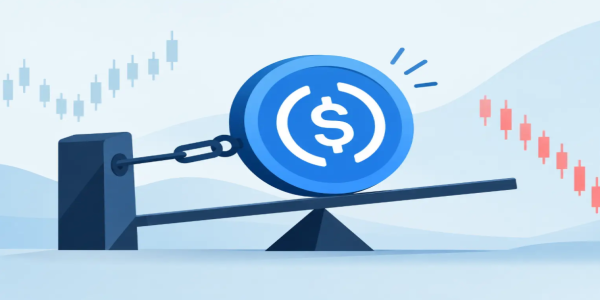
Stablecoin conversion can reduce exposure to crypto price swings, but it does not remove risk. A stablecoin can lose its peg, an issuer can face operational pressure, a platform can experience delays, and a wallet mistake is often final. Treat stablecoins as a tool for access and trading flexibility, not as a promise that every dollar value is risk-free.
Security begins with control of your account and wallet. Use a unique password, enable available account protections, and never share recovery phrases, private keys, or verification codes. Real support teams do not need your seed phrase. Anyone asking for it is trying to take your assets.
Watch for fake addresses and impersonators, too. Scam messages often create urgency: a supposed account issue, a limited-time rate, or a request to move funds to a "safe" wallet. Slow down. Verify information through the platform interface you opened yourself, not through an unsolicited message.
When to Use a Conversion Instead of a Trade
A conversion works best when you want a quick, straightforward asset exchange and accept the displayed quote. It is useful for moving profits from a volatile position into a stable balance, funding a new trade, or simplifying a wallet balance before a transfer.
A spot trade may be better when you want to set your own price, use advanced order controls, or work with larger amounts where small pricing differences add up. Neither method is automatically better. Fast action has value, but execution control has value too.
Budrigan Market is built for traders who want fewer barriers between a decision and a transaction. Still, the strongest moves are deliberate ones: know the asset, confirm the network, inspect the quote, and keep control of your wallet details.
The next time you convert, make the last screen your advantage. A 20-second review of the receiving asset, network, amount, and fees can protect the flexibility you came to crypto for.
Share This Post
Recent Posts
-

What Makes Peer Payments Private and Secure?
23 Sep 2026
-
Decentralized Exchange Order Book Guide
23 Sep 2026
-

Best Order Types for Beginners to Trade Smart
23 Sep 2026
-

Peer Payment Dispute Resolution Guide for Crypto
23 Sep 2026
-