A P2P Escrow Dispute Example and How to Respond
See a realistic P2P escrow dispute example, learn what evidence matters, and respond quickly to protect a fair crypto trade from start to finish securely.
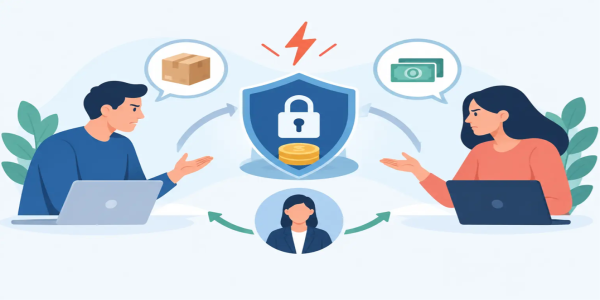
A P2P escrow dispute example usually starts with one simple problem: the buyer says payment was sent, while the seller cannot verify that the money has arrived. The crypto is locked in escrow, the clock is running, and both sides need a fast, fair answer. This is exactly why escrow exists. It gives independent traders a controlled way to complete a deal without handing over digital assets on blind trust.
Fast P2P trading should still be disciplined trading. Whether you are buying crypto with a bank transfer, a payment app, or another approved method, knowing what happens during a dispute protects your funds, your time, and your next opportunity.
A realistic P2P escrow dispute example
Imagine a buyer agrees to purchase $500 in USDT from a seller. The seller’s USDT is placed in escrow when the order opens. The buyer selects a bank transfer, receives the seller’s payment instructions, and marks the order as paid.
The seller checks their account and sees no completed payment. The buyer sends a screenshot showing a transfer confirmation, but the screenshot only shows that the transfer was initiated. It does not prove the seller received cleared funds. The seller does the right thing: they do not release the USDT.
The buyer then claims that the seller is delaying on purpose. Instead of arguing in the order chat or canceling the deal after payment has been marked, either party opens a dispute. The escrow remains locked while the platform reviews the trade record.
The key question is not who sounds more convincing. It is whether the agreed payment was completed, sent to the correct account, for the exact amount, and received under the conditions of the order.
In this scenario, the review may show that the buyer used a transfer method that can remain pending for several hours. If the seller later receives the full $500 from the buyer’s verified payment source, the escrowed USDT can be released. If the transfer fails, is reversed, or was sent to the wrong details, the crypto should be returned to the seller based on the marketplace rules.
That outcome may feel strict to a buyer who pressed “send,” but escrow decisions need verifiable facts. A pending payment is not the same as settled payment.
What evidence decides a P2P escrow dispute?
Escrow works best when every action stays inside the trade flow. The order page, chat history, payment timeline, and submitted evidence create a record that is far stronger than claims made later through private messages.
For the buyer, useful evidence normally includes a transaction receipt showing the recipient details, amount, date and time, transaction reference, and payment status. If the bank or payment provider has a transaction ID, include it. A full account statement or official transfer record is generally more useful than a cropped screenshot.
For the seller, the strongest evidence is a transaction history showing whether the funds arrived and cleared. If no payment appears, show the relevant account activity for the period around the trade. Sellers should hide unrelated personal information where the platform allows it, while keeping the account details and timestamps needed to verify the claim visible.
Messages matter too. If the buyer asked to use a different payment method after opening the order, or if the seller supplied new details outside the platform, that can complicate the decision. Clear records protect both sides.
Evidence that often creates problems
A payment screenshot alone can be incomplete, edited, or based on a pending transfer. A notification email is not final proof of settlement. Neither is a promise that funds will arrive tomorrow.
The same principle applies to sellers: never rely on a message saying payment has been made. Check your own account directly before releasing escrow. Do not release crypto because a buyer is rushing you, claims to be a long-time trader, or offers an extra payment for speed.
How to respond when a dispute opens
A dispute does not have to become a long fight. The goal is to provide a clean record so the reviewer can assess the transaction without guesswork.
First, keep communication inside the trade chat. State the issue plainly: “Payment is marked complete, but no settled funds are visible in my account as of 2:15 PM ET.” Or, if you are the buyer: “I sent the agreed amount to the payment details shown in the order. My transfer reference is [reference].” Stay factual. Personal accusations rarely help a case.
Next, submit the exact evidence requested. Include the full transaction details, not only an image that supports your preferred outcome. If a payment is pending, say that. Honesty can save time and prevents the dispute from becoming harder to resolve.
Then wait for the process. Do not pressure the other party to cancel, move the trade to a private chat, or settle outside escrow. Once a deal leaves the protected order flow, it becomes much harder to establish what actually happened.
If the payment arrives while the dispute is open, the seller should confirm receipt through the correct order process. If the buyer made an error, such as sending the wrong amount, both parties should follow the platform’s established dispute instructions rather than improvising a refund or release arrangement.
Why payment status changes the outcome
Not every payment method settles at the same speed. Some transfers appear instantly but can still be reviewed, delayed, or reversed. Others take longer but provide a more final settlement trail. This is the trade-off behind payment flexibility: more options can create more timing differences.
Before you open an order, read the seller’s terms carefully. Check the accepted payment rail, name requirements, payment window, fees, and any instruction about transfer notes. If a seller requires the payment account name to match the account profile, do not assume an exception will be accepted after you send money.
Sellers have responsibilities too. Your terms should be clear, lawful, and reasonable. Do not add new conditions after the buyer opens the order. Do not ask for extra identity documents in private messages if they were not part of the listed requirements. A transparent trade begins before payment is sent.
How to prevent the next P2P escrow dispute
The best P2P experience is quick because both parties know the rules before the order begins. Small checks take minutes and can prevent hours of uncertainty.
Use these habits on every trade:
- Confirm the price, amount, payment method, and deadline before accepting the order.
- Send payment only to the details displayed in the active trade order.
- Use a payment account you control and follow the exact name or reference requirements.
- Keep receipts and account records until the order is complete.
- Never mark an order as paid before you have actually sent the full agreed amount.
- Never release escrow until settled funds are visible in your own account.
It also helps to start with smaller amounts when trading with a new counterparty or testing an unfamiliar payment method. A small first trade lets you see how quickly the payment settles and how clearly the other person communicates. Trust should be earned through completed orders, not profile claims.
The rule that protects both sides
A P2P market gives you more control over how you buy and sell crypto. That freedom works when traders protect the process. Buyers should pay exactly as agreed and document the payment. Sellers should release only after confirmed receipt. Both sides should keep the transaction inside escrow until the order is resolved.
A dispute is not automatically a sign that someone is acting in bad faith. Sometimes it is a pending transfer, a typo, a payment-provider delay, or a simple misunderstanding. But when the facts are clear, escrow gives honest traders a path forward without surrendering control of their crypto too early.
Trade with speed, but trade with proof. The strongest position in any P2P deal is a clean order record, confirmed payment details, and the patience to let escrow do its job.
Share This Post
Recent Posts
-
Your Guide to Blockchain Transaction Fees
20 Oct 2026
-

Practical Guide to Self Custody Inheritance
20 Oct 2026
-

-

Are Stablecoin Reserves Audited? What to Check
20 Oct 2026
-

Stablecoin Regulation Trends 2026 Explained
08 Oct 2026