Can Crypto Transactions Reverse? What to Do Next
Can crypto transactions reverse? Learn when a payment can be stopped, when it cannot, and the practical steps to take after a wrong or fraudulent transfer.
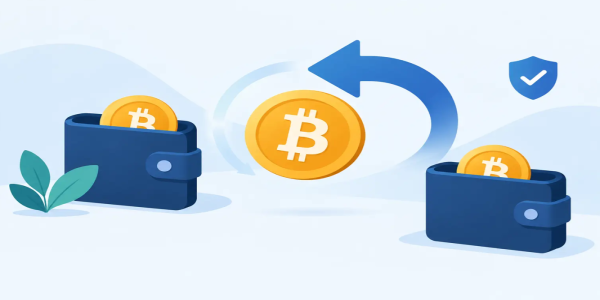
A crypto transfer can feel final the second you press Send. That is usually the point. But can crypto transactions reverse after they leave your wallet? In most cases, no. Blockchain transfers are designed to be permanent once the network confirms them, which gives you direct control of your funds but also puts more responsibility in your hands.
That does not mean every mistake is hopeless. A transaction may still be cancelable while it is pending, recoverable through a cooperative recipient or platform, or disputable when a separate payment service was used to buy crypto. The difference comes down to where the money moved, which blockchain was involved, and whether a third party controls any part of the process.
Can Crypto Transactions Reverse After Confirmation?
For a standard on-chain transfer, a confirmed transaction cannot simply be reversed. Bitcoin, Ethereum, and most major blockchains maintain shared records across many network participants. Once the network validates your transfer and adds it to the chain, there is no customer service button that can rewrite it.
This is one of crypto's defining trade-offs. You are not waiting for a bank to approve a payment or holding your breath over a weekend transfer delay. Your assets can move quickly, directly, and globally. But that freedom means there is no automatic refund system if you enter the wrong address, send the wrong amount, or fall for a scam.
A blockchain does not know whether your transaction was intentional. It only checks whether the wallet signature is valid and whether the sender has sufficient funds. If both conditions are met, the network processes the instruction.
There are rare, highly technical exceptions. A blockchain may undergo a major community-led change after an extreme exploit, but that is not a personal recovery tool and should never be part of a trading plan. For everyday users, treat confirmed crypto transfers as final.
The Key Difference: Pending vs. Confirmed
A transaction in your wallet may show as pending before it receives enough network confirmations. During this period, there may be a narrow window to act.
On some networks, particularly Ethereum-compatible chains, it can be possible to replace a pending transaction by submitting another transaction with the same nonce and a higher network fee. People often call this canceling a transaction, although technically you are replacing it before validators confirm the original request. The replacement might send zero funds to your own wallet instead.
This only works under specific conditions. The original transfer must still be unconfirmed, your wallet must support transaction replacement, and you must act before the network processes it. If the transaction has already confirmed, it is too late.
Bitcoin users may see similar options through Replace-by-Fee, or RBF, when the original transaction was marked as replaceable. Again, this is not a guaranteed cancellation. Network activity, fee levels, and wallet settings all affect the outcome.
Do not keep submitting random transactions in a rush. That can create more fees and more confusion. First, check the transaction status and hash in your wallet or block explorer. Then determine whether replacement is actually available for that network and wallet.
When a Platform May Be Able to Help
Not all crypto activity happens directly on a public blockchain. Sometimes funds move within an exchange, a wallet provider, or a trading platform's internal system. Those transfers may not be final in the same way as an on-chain payment.
If you sent crypto to another user on the same platform, support may be able to review the case before the recipient withdraws the funds. There is no promise of recovery, but it is worth contacting the platform immediately with the transaction ID, receiving address, asset, amount, date, and a clear description of what happened.
The same applies if you sent crypto to an exchange deposit address using the wrong network. For example, sending an asset through an unsupported chain can make recovery difficult, but not always impossible. Some platforms can access the destination wallet keys and manually recover compatible assets. Others cannot, or may charge a recovery fee. Speed matters, but patience matters too. Support teams need accurate information, not multiple conflicting requests.
If you accidentally sent funds to a self-custody wallet owned by another person, recovery depends on that person choosing to return the funds. The blockchain cannot force them to do so. A respectful message with proof of the error may help if you can identify the owner, but never share your seed phrase, private key, or wallet password while trying to recover a transfer.
Crypto Scams Do Not Create a Chargeback Button
A painful reality of digital assets is that scammers often rely on transaction finality. They may impersonate support agents, promise guaranteed returns, request a payment to release fake profits, or pressure users to act before they verify the details.
If you sent crypto to a scam wallet, report it quickly to the platform involved and preserve every piece of evidence: wallet addresses, transaction hashes, screenshots, usernames, messages, emails, and payment records. You can also report fraud to the relevant law enforcement and consumer protection agencies in your area.
Recovery companies deserve extra caution. Anyone claiming they can reverse a confirmed blockchain transaction for an upfront fee is often attempting a second scam. No legitimate service can override a public blockchain ledger because it wants to help.
There is one important distinction. If you purchased crypto with a credit card, bank transfer, or payment app before sending it to a scammer, the original fiat payment may have its own dispute process. That process concerns the card or bank transaction, not the confirmed crypto transfer. Filing a false chargeback for a legitimate crypto purchase can lead to account restrictions and does not undo the on-chain payment.
How to Avoid a Crypto Transfer You Cannot Undo
Fast trading should not mean rushed transfers. A few seconds of verification can protect funds that may be impossible to retrieve later.
Before confirming a transfer, check the full network and destination address. Do not rely only on the first and last few characters, especially if you copied an address from an untrusted device. Clipboard-hijacking malware can replace a copied address without making the change obvious.
For a first-time destination or a large payment, send a small test amount. Wait for it to arrive, confirm the receiving platform credits the correct asset on the correct network, then send the remainder. This adds one extra transaction fee, but it can be far cheaper than losing the full amount.
Be especially careful with look-alike networks and token names. USDT, for example, exists on several chains. Sending a token over Ethereum, Tron, Solana, or another network is not interchangeable unless the recipient explicitly supports that route. The asset name may match while the transfer path does not.
Keep your wallet security tight as well. Use a unique password, enable two-factor authentication where available, protect recovery phrases offline, and verify any support contact through official channels. No legitimate support team needs your seed phrase to investigate a transaction.
A Smarter Way to Trade and Transfer
Crypto gives you more control than traditional payment systems, and control works best with a repeatable process. Separate active trading funds from long-term holdings. Save verified withdrawal addresses only after checking them. Set personal limits for unfamiliar P2P counterparties and new wallets. When a message creates urgency, step back before sending anything.
For traders who want direct market access without unnecessary friction, the goal is not to slow down every decision. It is to build safeguards into the moments that cannot be undone. Platforms such as Budrigan Market can make buying, converting, and trading assets fast, but the final check before an on-chain withdrawal always belongs to the person authorizing it.
A confirmed crypto transaction is usually permanent. Make that final click a deliberate one: verify the address, verify the network, test when the amount matters, and keep control of your keys and your decisions.
Share This Post
Recent Posts
-
Wallet Backup Methods That Keep Crypto in Reach
26 Oct 2026
-
-

Slippage Cost Reduction for Faster Crypto Trades
26 Oct 2026
-

-

Why Crypto Prices Differ Across Exchanges
22 Oct 2026