Guide to Crypto Fiat Onramps for Fast Funding
Use this guide to crypto fiat onramps to compare payment methods, control costs, protect your funds, and move from dollars to crypto faster with clarity.
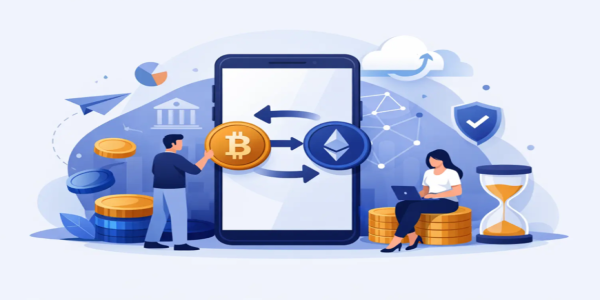
The market can move before a traditional exchange finishes reviewing a deposit. This guide to crypto fiat onramps is for traders who want a clearer, faster route from dollars to digital assets - without treating funding as an afterthought. The right onramp gives you buying power when you need it. The wrong one can bury a trade under fees, delays, limits, or payment reversals.
What a crypto fiat onramp actually does
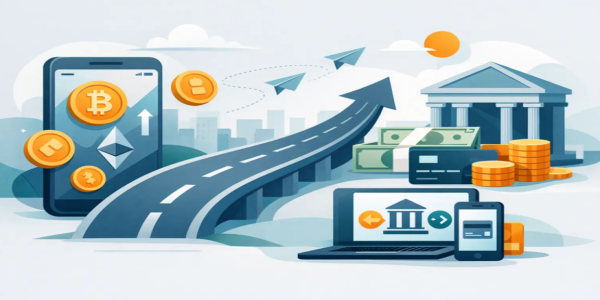
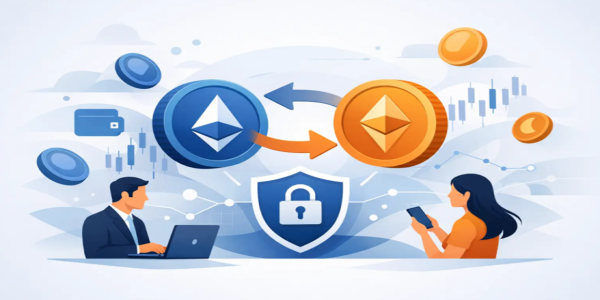
A fiat onramp is the service or payment flow that converts government-issued money, such as U.S. dollars, into cryptocurrency. You might use a bank transfer to buy USDT, a debit card to purchase Bitcoin, or a peer-to-peer payment arrangement to acquire crypto from another user. The onramp is the bridge between your regular payment balance and your crypto wallet.
That bridge matters because crypto markets run continuously while banks, card networks, and payment processors have their own schedules and rules. Funding is not just the step before trading. It determines how quickly you can enter a position, what you pay to do it, and whether your assets arrive in the wallet you control.
An onramp should be judged by more than the advertised purchase price. Look at the final amount of crypto received, the time until it is available to trade or withdraw, and any restrictions placed on your funds after purchase.
The main ways to move fiat into crypto
There is no single best payment method. The right choice depends on whether your priority is speed, cost, privacy, purchase size, or access to a specific asset.
Bank transfers: usually best for larger purchases
Bank transfers are commonly the lowest-cost way to fund a crypto purchase. ACH transfers can be inexpensive, but they may take several business days to clear or may carry withdrawal holds. Wire transfers generally move faster and suit larger amounts, although your bank may charge a fee.
For a planned position or a larger portfolio allocation, this trade-off can make sense. For a sudden market opportunity, waiting for a transfer to settle may be too slow. Always confirm whether a platform lets you trade immediately, withdraw immediately, or requires a settlement period.
Debit and credit cards: fast, but rarely cheap
Cards offer immediate access and are easy for a first crypto purchase. That convenience often comes with higher processing fees, lower purchase limits, and a wider spread between the market price and the price you receive.
Credit cards add another concern: some issuers treat crypto purchases as cash advances. That can mean extra fees and interest from day one. A debit card funded with money you already have is generally a cleaner choice if speed matters and the purchase is modest.
Peer-to-peer transactions: flexible, with more responsibility
P2P markets connect buyers and sellers directly. Payment methods can be broader than conventional exchange funding options, and users may find better flexibility around currency, size, and timing. But direct trading requires discipline.
Use clear trade terms, verify the counterparty’s record where available, and never release funds or crypto outside the platform’s stated protection process. A deal that looks unusually cheap can be expensive if the payment is reversed, the seller disappears, or you send funds to the wrong person.
Stablecoins: a practical trading balance
Many traders use dollar-linked stablecoins such as USDT or USDC as the first asset they buy. This can simplify entry into altcoin markets because stablecoins often trade against hundreds of assets. It also lets you move purchasing power without immediately taking Bitcoin or Ethereum price exposure.
A stablecoin is not the same as cash in a bank account. It has issuer, custody, network, and market risks. Check which network you are using before sending it. Sending a token on an unsupported network is one of the most avoidable ways to lose access to funds.
How to compare crypto fiat onramps before you pay
The headline fee is only one piece of the cost. Some providers advertise low or zero transaction fees while building their compensation into the exchange rate. Others show a clear fee but provide a tighter price. Compare the total: how many coins or tokens land in your wallet after every charge, conversion, and network cost.
Speed is equally important. A payment marked as complete does not always mean the crypto is fully available for withdrawal. Card purchases may appear quickly but remain subject to a hold. Bank-funded purchases can be cheaper but settle later. If you are funding an arbitrage trade or reacting to volatility, that availability window can matter more than a small fee difference.
Also check limits before committing to a method. Limits may apply per transaction, per day, per payment method, or by asset. A platform that works well for a $100 test purchase may not support the size you want when a real opportunity appears.
Finally, understand the platform’s operating model. Some services provide custodial balances, meaning they hold the private keys. Others let you move assets to an external wallet once the transaction settles. Holding crypto in a trading account can be convenient for active trades, but self-custody gives you direct control and direct responsibility.
Funding safely without slowing yourself down
Fast access does not mean careless access. The strongest routine is simple: start with a small test transaction, confirm the receiving wallet address, and verify the network before moving meaningful funds. Copying an address is safer than typing it, but you should still inspect the beginning and end of the address before approving a transfer.
Protect the account that controls your funds. Use a unique password, enable the strongest available account security, and treat unexpected messages about deposits, account freezes, or recovery requests as suspicious until independently verified. Legitimate support teams do not need your private keys or wallet recovery phrase.
Payment reversals are another overlooked risk. A payment method that can be charged back may trigger holds or disputes, especially on larger or unusual transactions. Keep your payment account in good standing and make purchases only with funds you control. Attempts to bypass payment rules can lead to canceled trades, lost access, or compliance reviews.
Privacy also deserves a practical definition. Crypto transactions can reduce the amount of information shared with intermediaries, but they are not automatically invisible. Public blockchain activity can be traceable, and banks or payment providers may keep records. Protect your personal information, use legitimate payment sources, and follow the rules that apply where you live.
Build a funding routine around your trading style
New traders should optimize for clarity first. Choose one payment method, buy a small amount, learn how the wallet and network work, then increase size only after you understand the full path from dollars to withdrawal. The best first purchase is not the fastest possible one. It is the one you can verify end to end.
Active traders need a different setup. Keep enough fiat or stablecoin buying power available for planned opportunities, understand your daily limits, and avoid depending on one payment rail. A bank transfer may be your cost-efficient base method while a debit card serves as a smaller emergency option. That is not complexity for its own sake. It is preparation.
Privacy-conscious users should focus on minimizing unnecessary data exposure while remaining realistic about the payment rails they use. Read what a provider collects, secure your wallet, and avoid broadcasting account balances or transaction details. Financial independence starts with better control, not with assumptions about invisibility.
Budrigan Market is built for traders who value quick access to crypto markets, flexible conversion, and a less cluttered path from funding to action. Before using any platform, review its current payment availability, fees, asset support, and withdrawal conditions for your location.
Common questions about fiat onramps
What is the cheapest way to buy crypto with dollars?
For many users, a bank transfer is cheaper than a card purchase because processing costs are lower. It is not always the best choice, though. If timing is critical, the cost of missing a price move may outweigh a higher card fee. Compare the final crypto amount received and the time until withdrawal, not just the listed fee.
Can I send purchased crypto to my own wallet right away?
Sometimes, but not always. Providers may apply settlement or security holds based on the payment method, purchase amount, or account history. Check withdrawal availability before funding if self-custody is part of your plan.
Should I buy Bitcoin or a stablecoin first?
Buy Bitcoin if Bitcoin exposure is your goal. Buy a stablecoin if you want dollar-like value while deciding which crypto asset to trade next. The choice depends on your market view, not on a universal rule.
A good onramp does more than complete a conversion. It puts you in position to act with confidence when the market gives you a reason to move. Start small, verify every step, and build a funding method that keeps control in your hands.
Share This Post
Recent Posts
-
Fast Crypto Withdrawals Explained Simply
08 Aug 2026
-
-
-

A Practical Guide to Unrestricted Crypto Trading
08 Aug 2026
-