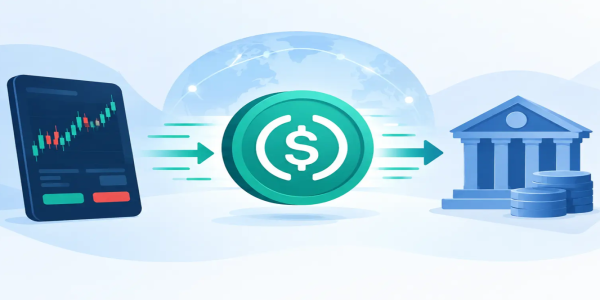
Stablecoin Settlement Options for Faster Trading
Compare stablecoin settlement options for trading, P2P transfers, and cash conversion. Move value faster while managing daily fees, liquidity, and risk.
A trade can be right and still lose money if the settlement route is slow, expensive, or stuck on the wrong network. That is why stablecoin settlement options matter to anyone moving between crypto positions, paying a P2P counterparty, or converting digital value into spending power. The right choice keeps funds mobile. The wrong one can turn a fast market decision into a delayed transfer and an unnecessary fee.
Stablecoins are built to make value easier to move without waiting for traditional banking rails. But they are not all the same. The token you use, the chain it runs on, the platform receiving it, and the liquidity available at the other end all affect the real speed and cost of settlement.
What Stablecoin Settlement Actually Means
Settlement is the point at which a transfer is considered complete and the recipient can use the funds. With stablecoins, that usually means sending a dollar-pegged digital asset from one wallet, trader, or platform to another and waiting for the relevant network confirmations or internal account credit.
For active traders, settlement may happen after a crypto-to-crypto conversion. For P2P users, it may happen when one party releases stablecoins after receiving payment. For someone entering or exiting the market, it can mean swapping stablecoins for another asset or converting value through an available cash route.
The promise is simple: move value on your schedule, not a bank's schedule. The reality is more specific. A stablecoin transfer only works smoothly when the sender and receiver support the same asset and the same network.
The Main Stablecoin Settlement Options
There is no single best route for every transfer. The practical choice depends on whether speed, cost, liquidity, privacy, or compatibility comes first.
On-chain wallet settlement
On-chain settlement sends stablecoins directly from one blockchain wallet to another. This is the most open option because the transfer does not rely on a bank wire or a closed payment app. Once the transaction is confirmed, the recipient controls the funds in their wallet.
This route works well for traders moving funds between personal wallets, P2P participants settling directly, and users who want control over their assets. It also creates a clear record on the blockchain. That record is public, even when wallet owners are not named, so users should understand that blockchain addresses are pseudonymous rather than automatically private.
The trade-off is finality. A wrong address, wrong network, or unsupported token can create a serious recovery problem. Always verify the asset, chain, destination address, and minimum deposit rules before sending.
Internal platform transfers
Some exchanges and trading platforms let users transfer supported stablecoins internally between accounts. Because value moves inside the platform ledger instead of across a public blockchain, settlement can be nearly immediate and may avoid on-chain network fees.
Internal settlement is useful when both parties already use the same service and want to act quickly. It can support fast P2P arrangements, account-to-account payments, or moving capital between trading activity and a platform wallet.
The compromise is that your transfer depends on the platform's operating rules, availability, and account controls. It is fast because it is not the same as a fully independent blockchain transaction. For funds you need to move beyond the platform, confirm withdrawal availability and network support first.
Stablecoin swaps before settlement
Sometimes the recipient does not want the stablecoin you hold. They may accept USDC but not USDT, or they may need a stablecoin on a different network. In that case, the settlement process includes a conversion before the final transfer.
Swapping can solve a compatibility problem, especially when one asset has deeper liquidity or lower transfer costs on the destination chain. It also gives traders flexibility when their profits arrive in one quote currency but their next opportunity requires another.
However, every swap adds potential spread, fee exposure, and execution risk. A stablecoin may target one dollar, but the market price can still move slightly during periods of stress or limited liquidity. Check the conversion rate and the total amount that will arrive, not just the headline price.
P2P stablecoin settlement
P2P settlement connects buyers and sellers directly, with stablecoins acting as the value leg of the trade. One party may send a local payment method while the other releases stablecoins, often through an agreed process or platform escrow arrangement.
This is attractive for users who want payment flexibility and direct control over the terms of a transaction. It can also be useful when traditional funding options are limited, slow, or inconvenient.
P2P freedom requires P2P discipline. Deal only with terms you understand, confirm payment independently, and never release assets based on screenshots or promises. If an escrow process is available, follow it exactly. Speed is valuable, but a rushed release can be irreversible.
Fiat conversion as the final settlement step
Stablecoins can settle a trade inside crypto, but some users ultimately need dollars in a bank account, on a card, or through an available payment method. That final conversion is a separate settlement layer with its own timing, fees, limits, and regional availability.
This route makes sense when the goal is spending, cash flow, or taking profits off the market. It may be slower than a wallet-to-wallet stablecoin transfer because payment providers and banking rails have their own processing windows.
The key is to plan the exit before you need it. A trader who waits until a volatile moment to discover their preferred cash-out route has a weaker position than one who has already checked supported methods, limits, and expected timing.
Choosing the Right Network for Settlement
Network selection often matters more than the stablecoin name. The same token can exist on several blockchains, and a transfer must arrive on a chain the receiving wallet or platform supports.
A low-fee network may be ideal for smaller transfers, while a more established network may offer wider compatibility with wallets and exchanges. Faster networks can help when timing matters, but speed is only useful if the recipient can actually receive and use the asset there.
Before sending, answer four questions: Is this exact stablecoin supported? Is this exact network supported? What is the estimated fee? Is there a minimum deposit or required memo, tag, or reference? These checks take seconds and can prevent costly mistakes.
Stablecoin Settlement Risks Worth Watching
Stablecoins reduce price volatility compared with many crypto assets, but they do not remove risk. The issuer can face reserve concerns, a token can trade below its target price, liquidity can thin out, and a network can become congested. A stablecoin is a settlement tool, not a guarantee that every route is risk-free.
Counterparty risk also matters. If you settle through a platform, P2P marketplace, or third-party wallet provider, you are relying on more than the blockchain itself. Use strong account security, protect recovery information, and avoid sending funds to anyone who pressures you to skip verification steps.
For larger balances, avoid concentrating everything in one token, one chain, or one access method. Flexibility is part of financial control. Holding only one route can leave you stuck when that route becomes expensive, delayed, or unavailable.
A Faster Settlement Routine for Active Users
The strongest approach is usually prepared, not reactive. Keep a small working balance in the stablecoin and network you use most often. Know the wallet addresses you trust, but still verify every character before a large transfer. Test unfamiliar routes with a small amount before moving meaningful capital.
For trading, separate the decision to exit a position from the decision to cash out. You may settle into a stablecoin first to protect the value of a gain, then choose the best time and route for conversion. That separation gives you more control than forcing every trade through a single path.
Budrigan Market is built for users who want fewer barriers between a market decision and execution. Whether you are converting assets, arranging a P2P deal, or preparing capital for the next move, treat settlement as part of the strategy, not an afterthought.
The best settlement option is the one that arrives where you need it, when you need it, at a cost you already understand. Build that route before the market starts moving, and your capital stays ready for opportunity.
Share This Post
Recent Posts
-

-
7 Token Research Tools for Smarter Crypto Trades
01 Nov 2026
-

10 Best Blockchain Security Habits for Traders
01 Nov 2026
-

Wallet Phishing Attack Example: Spot the Trap
01 Nov 2026
-
Wallet Backup Methods That Keep Crypto in Reach
26 Oct 2026